


Reception
Welcome to Reception
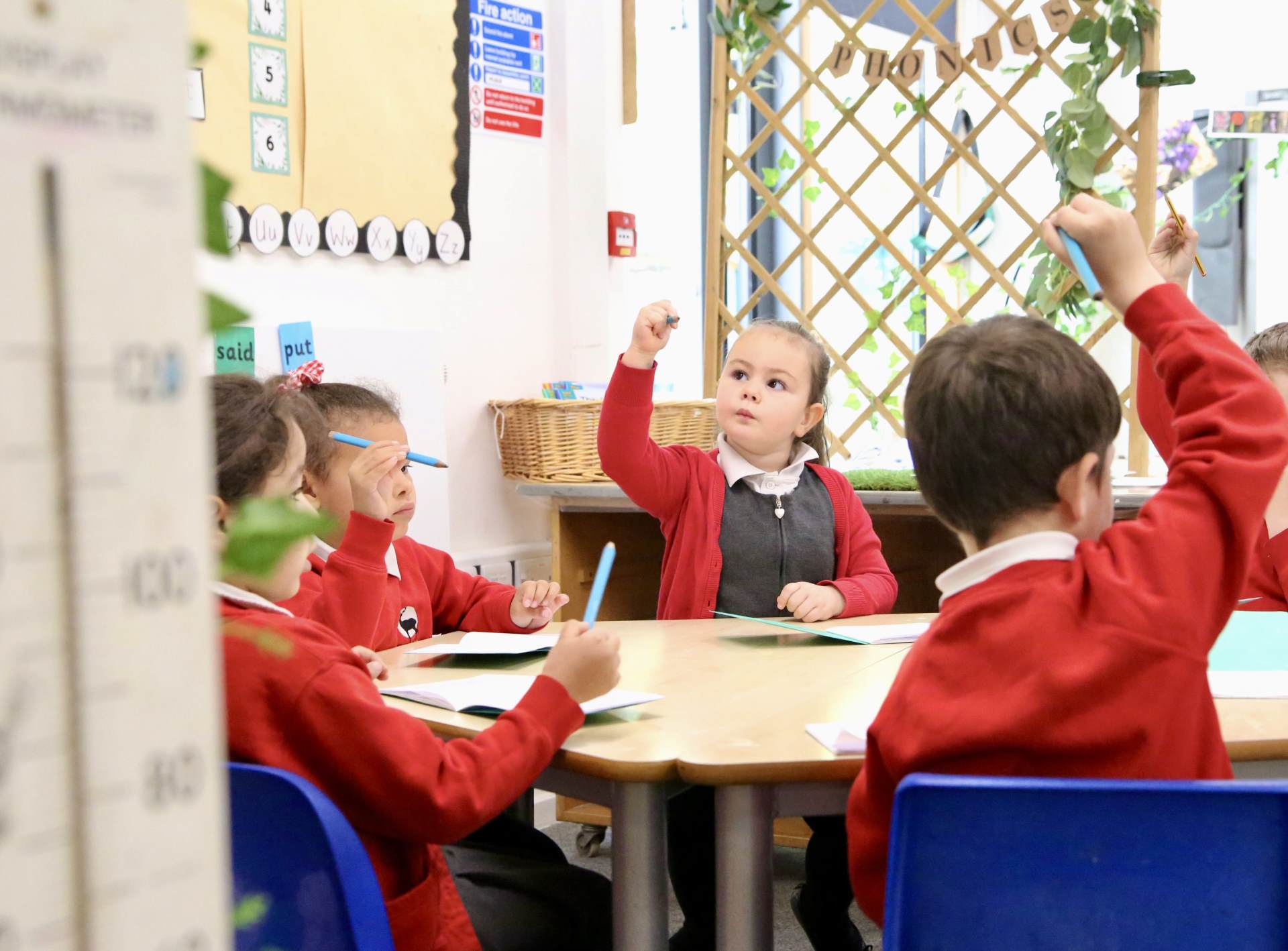
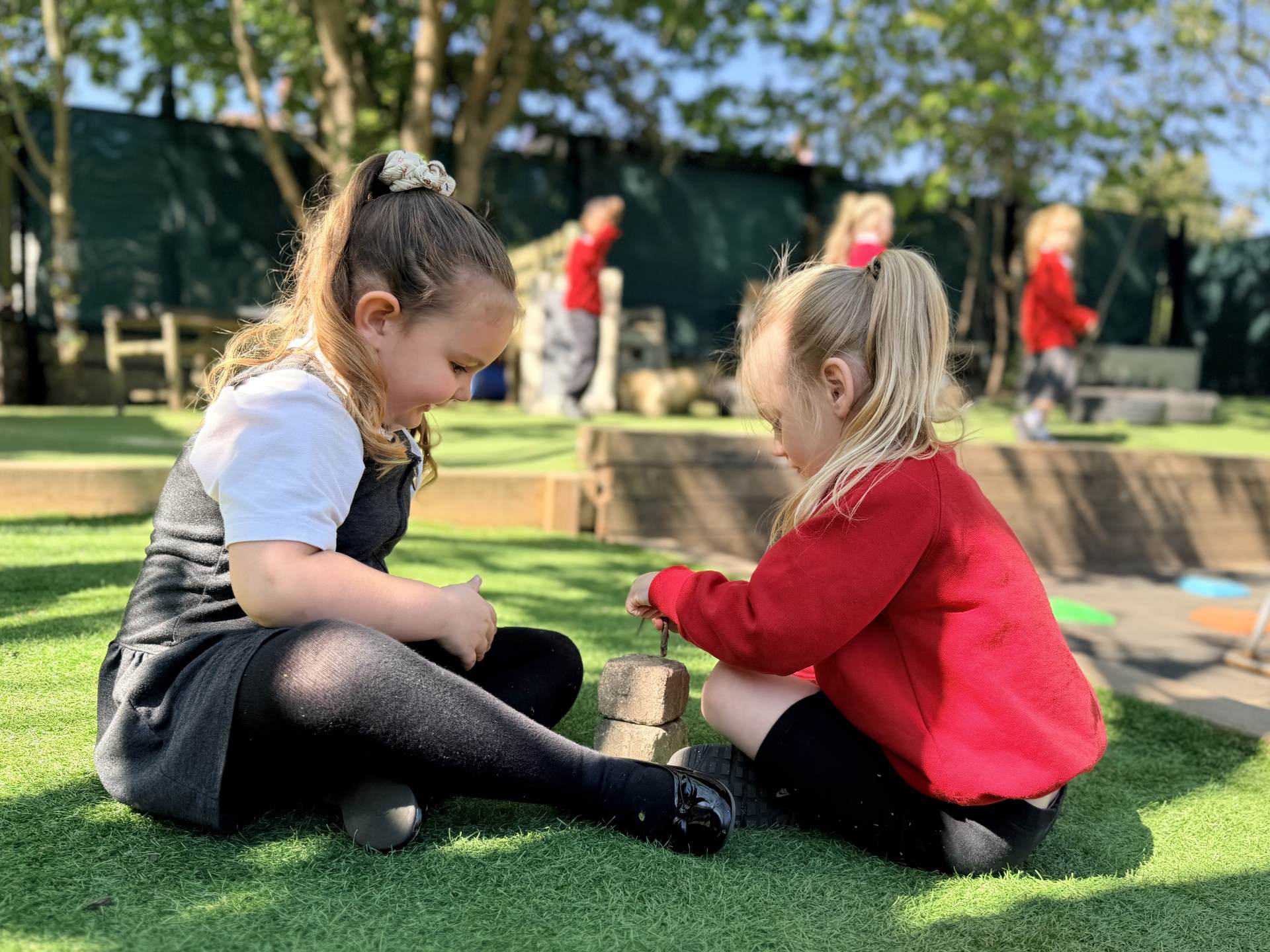
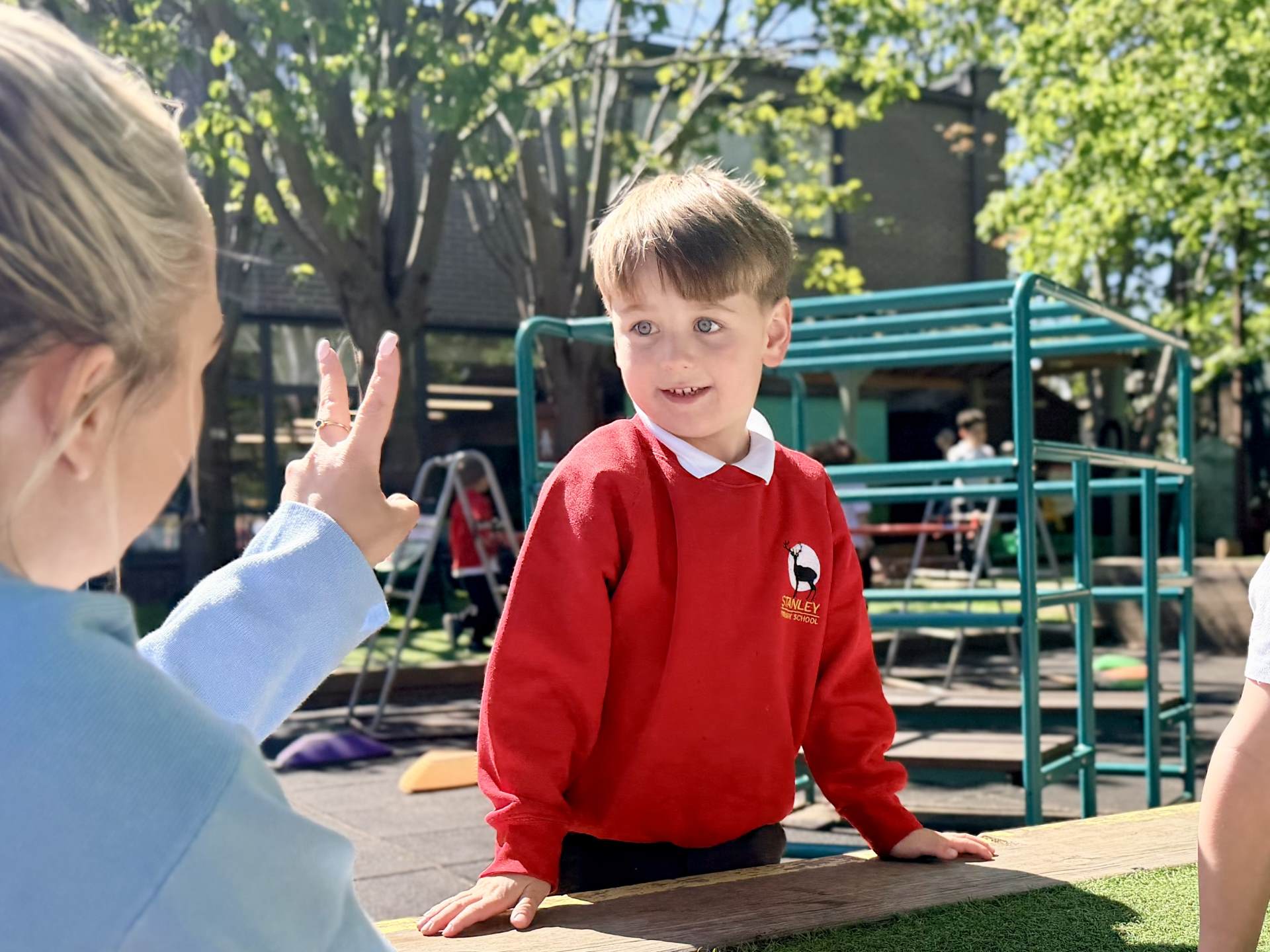
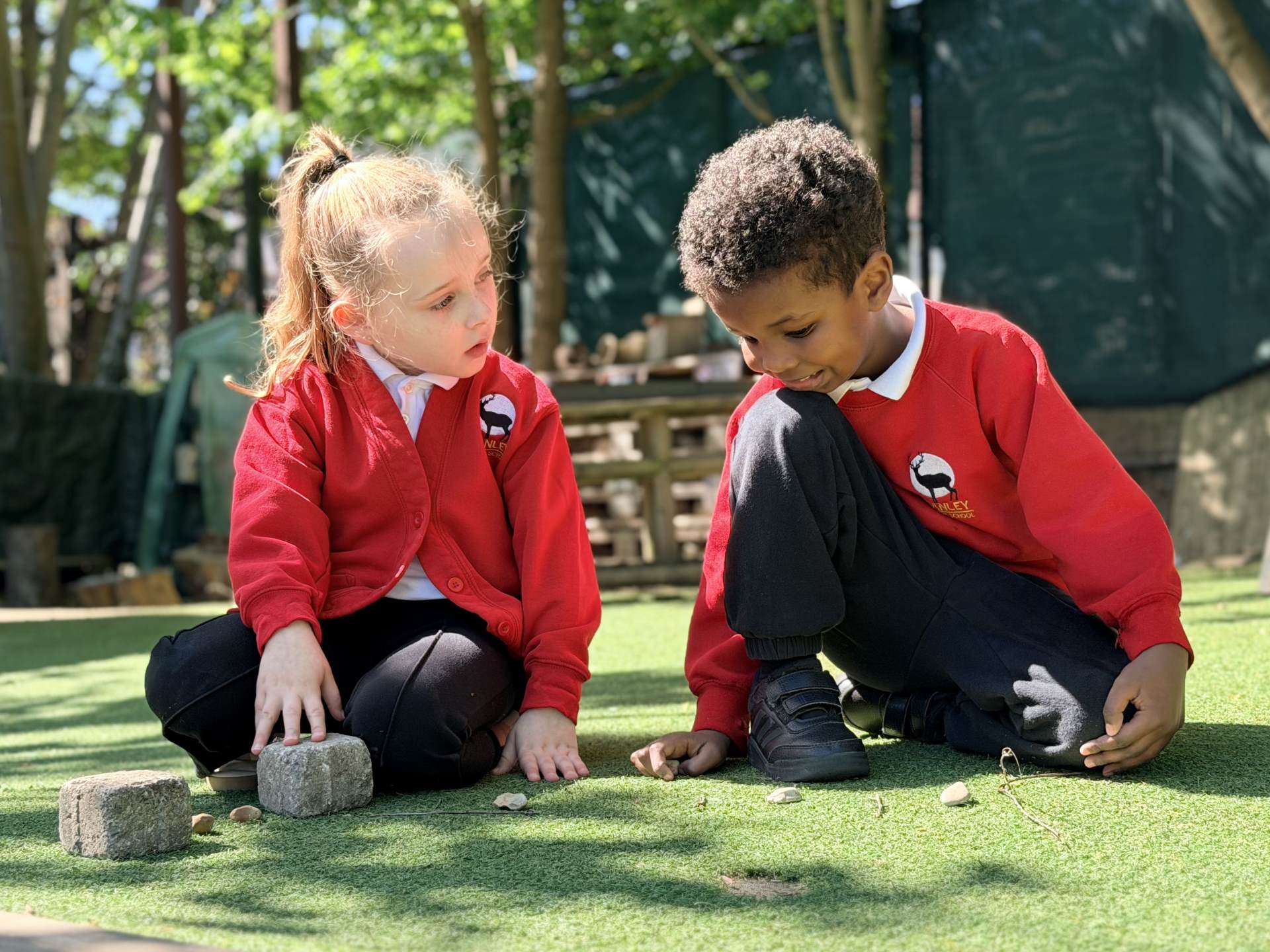
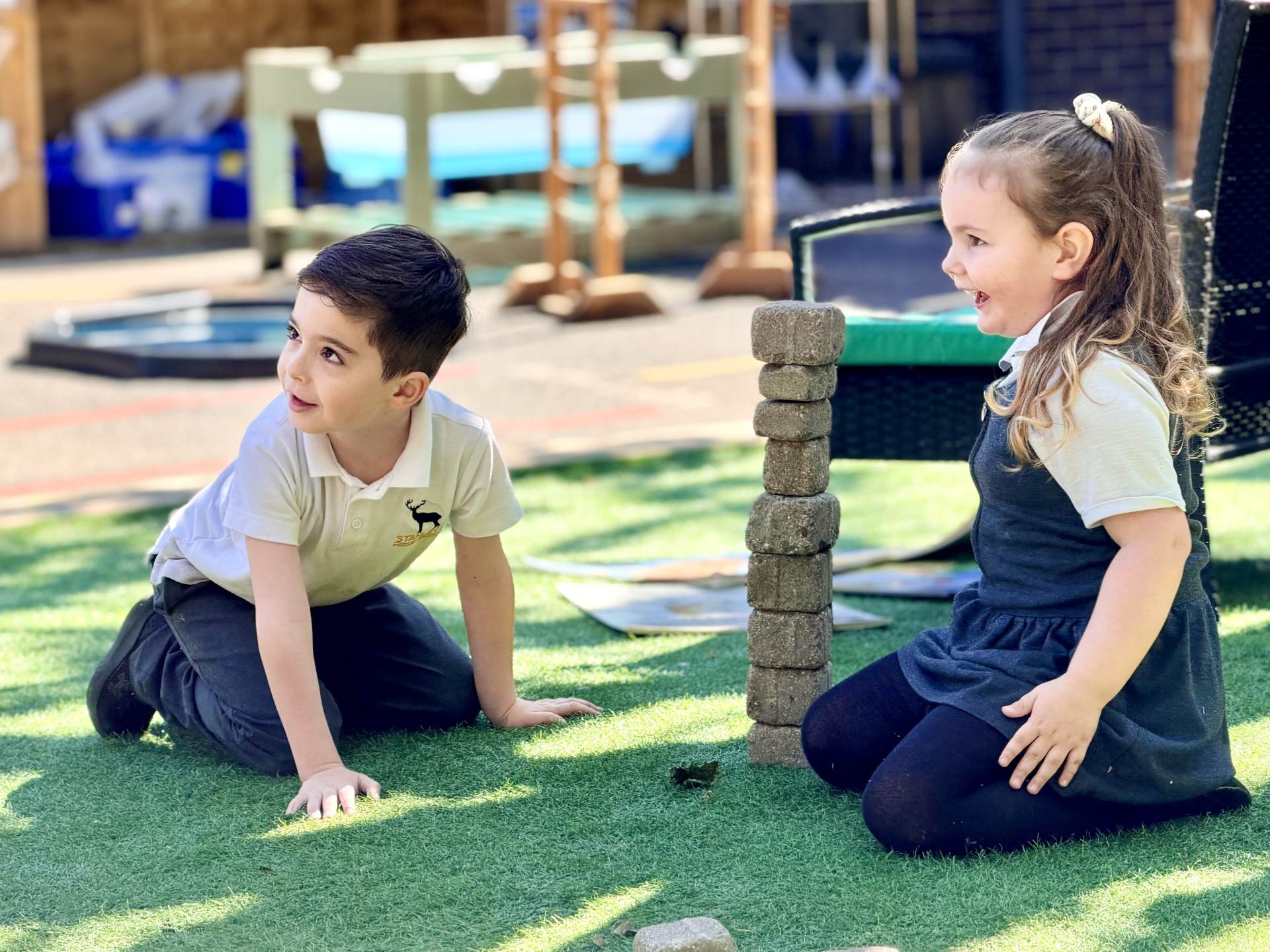
Reception is a joyful and important beginning to your child’s school journey, where a love of learning is nurtured from the very start. Our Reception classes provide a warm, welcoming, and stimulating environment where children feel safe, happy, and ready to explore. Through a carefully planned balance of play-based and adult-led activities, pupils are encouraged to develop key early skills in communication, language, early reading, writing, and mathematics. We place a strong emphasis on learning through play, exploration, and hands-on experiences, allowing children to follow their interests while developing confidence and independence. Our Reception team is dedicated to supporting each child as an individual, helping them to build positive relationships, develop social skills, and grow in confidence. By fostering curiosity, creativity, and a sense of wonder, we ensure that every child is well-prepared for the transition into Year 1 and the next stage of their learning journey.
//www.youtube.com/embed/iRAEL4-z9ZY#t=0.5
Our Vision Statement
Early Years Foundation Stage Overview
Early Years Foundation Stage
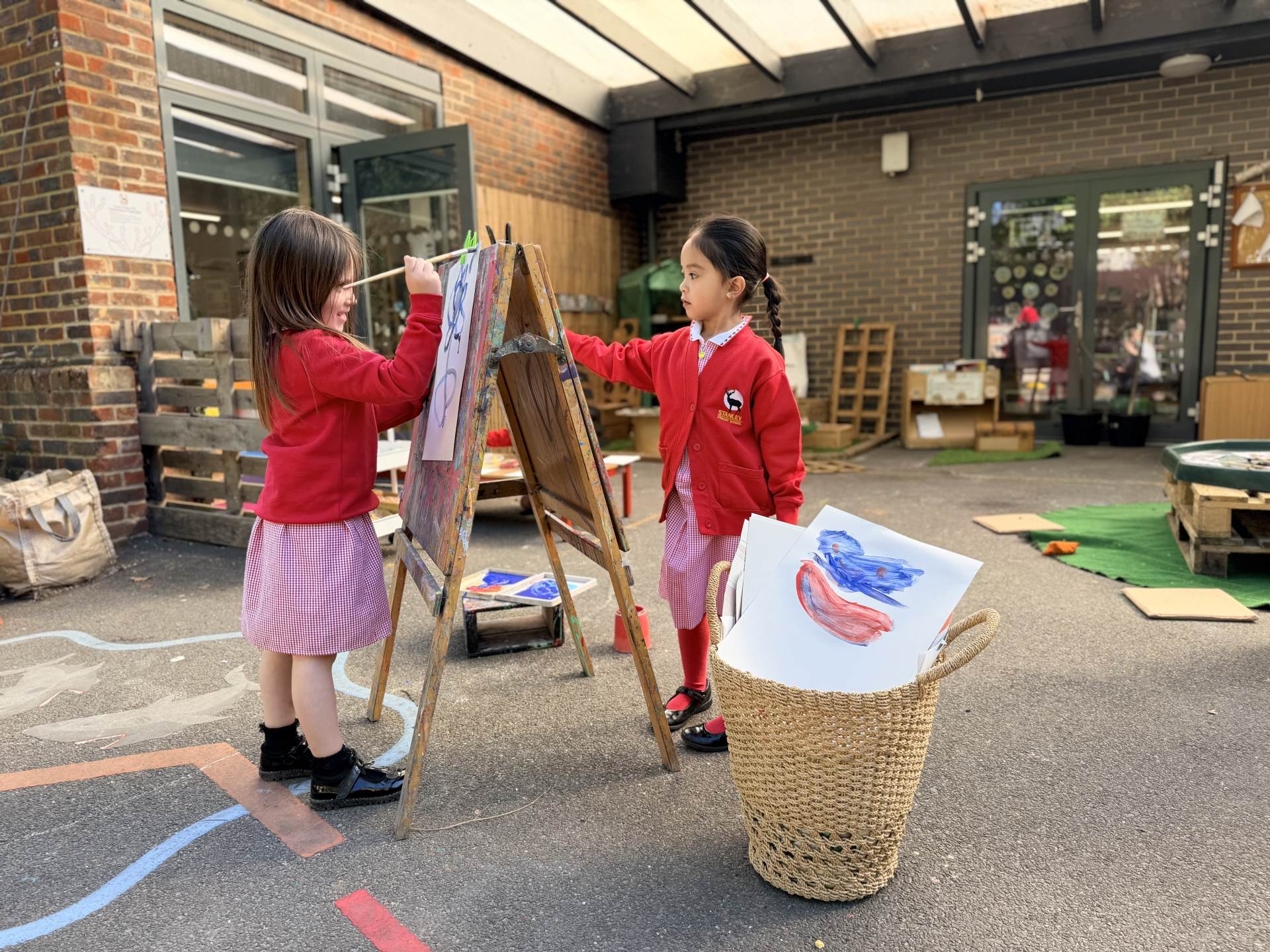
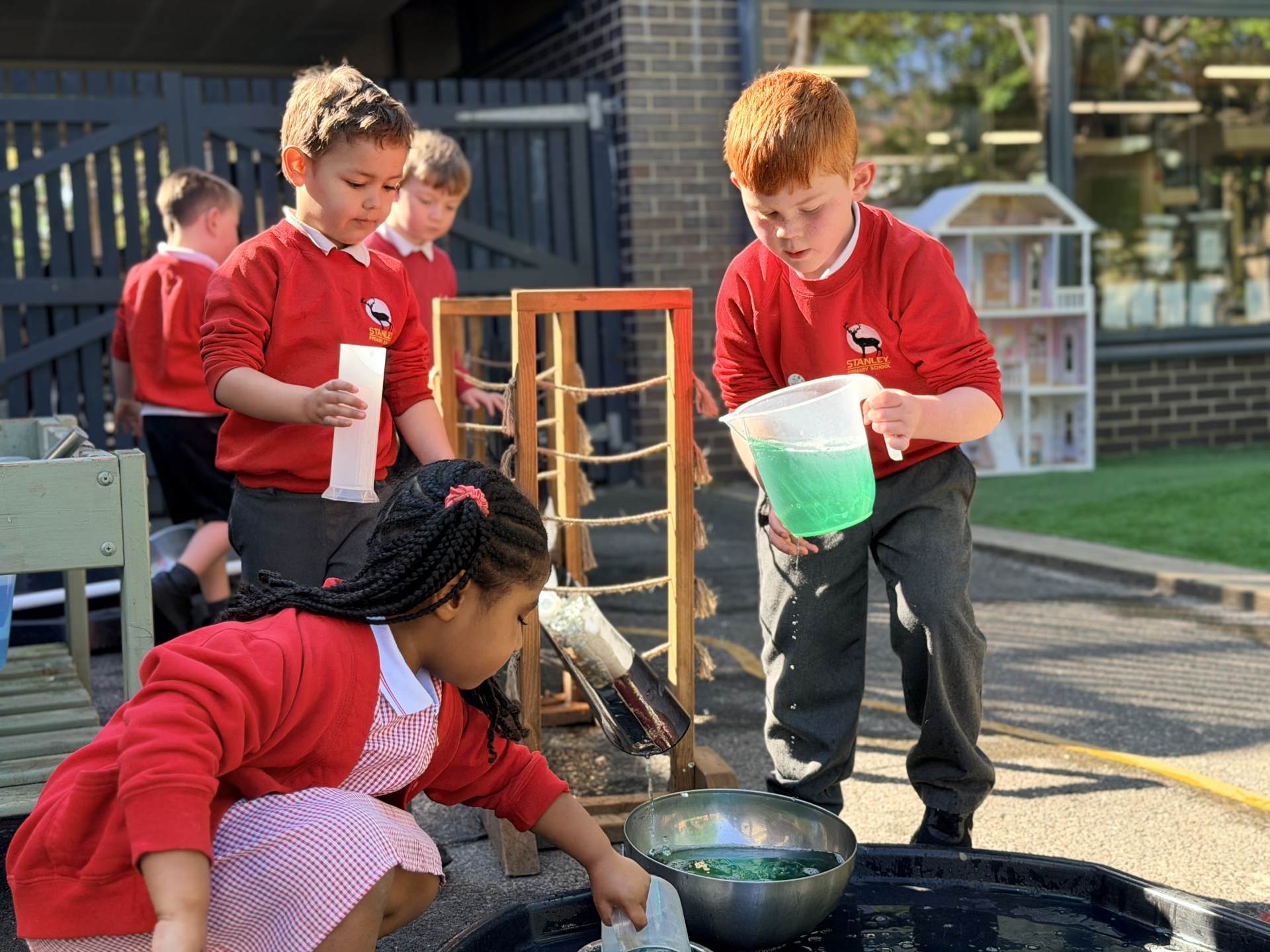
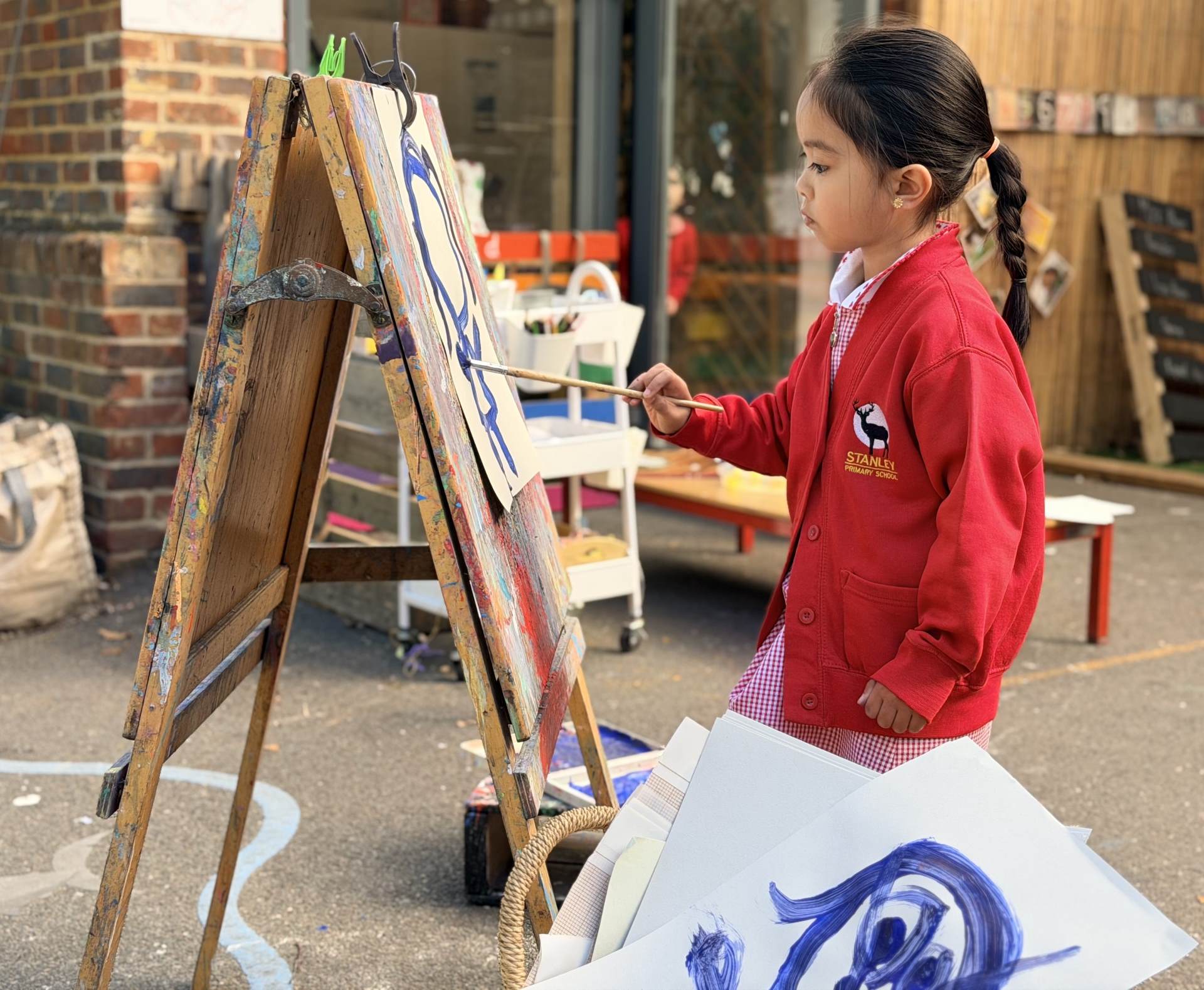
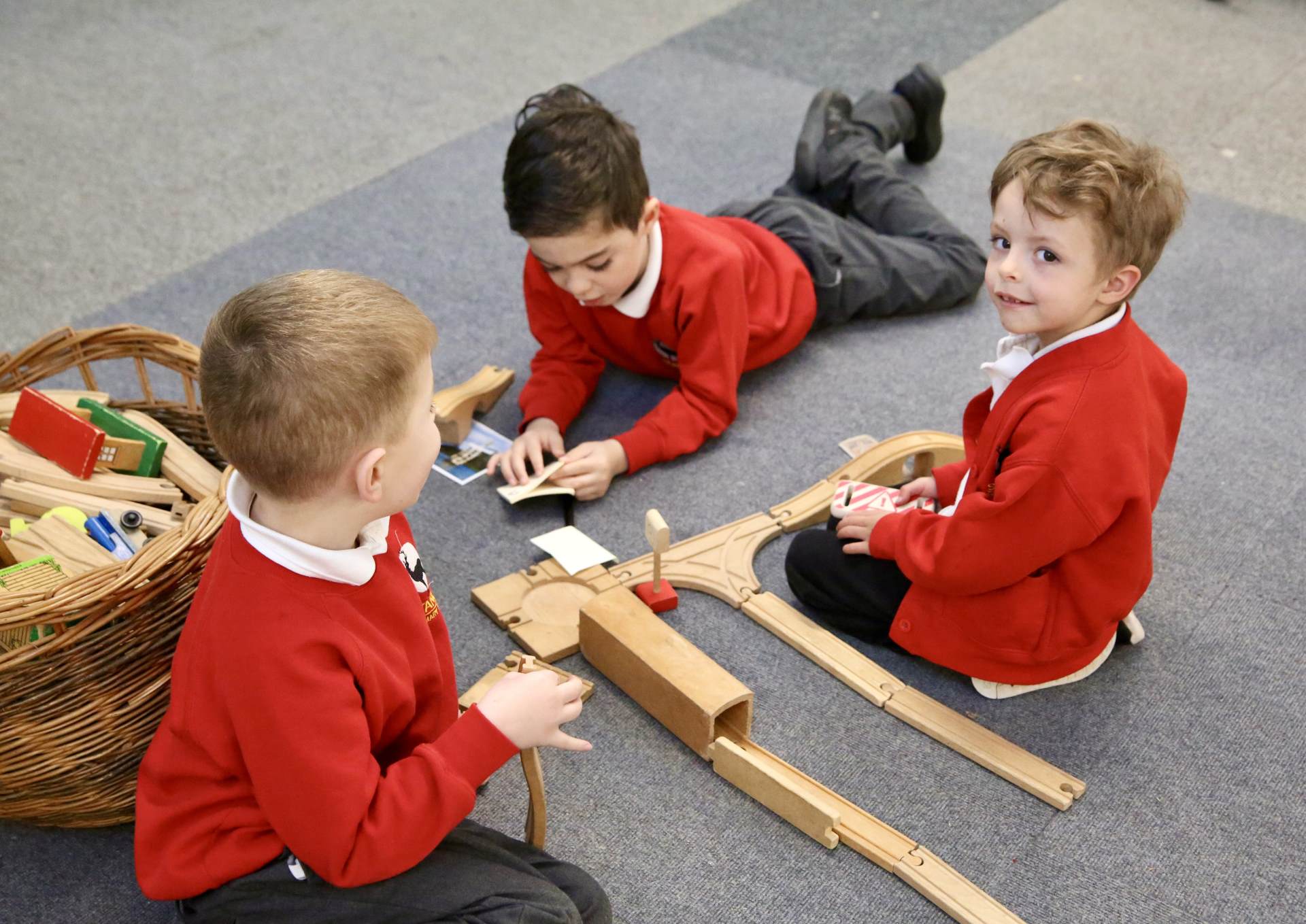
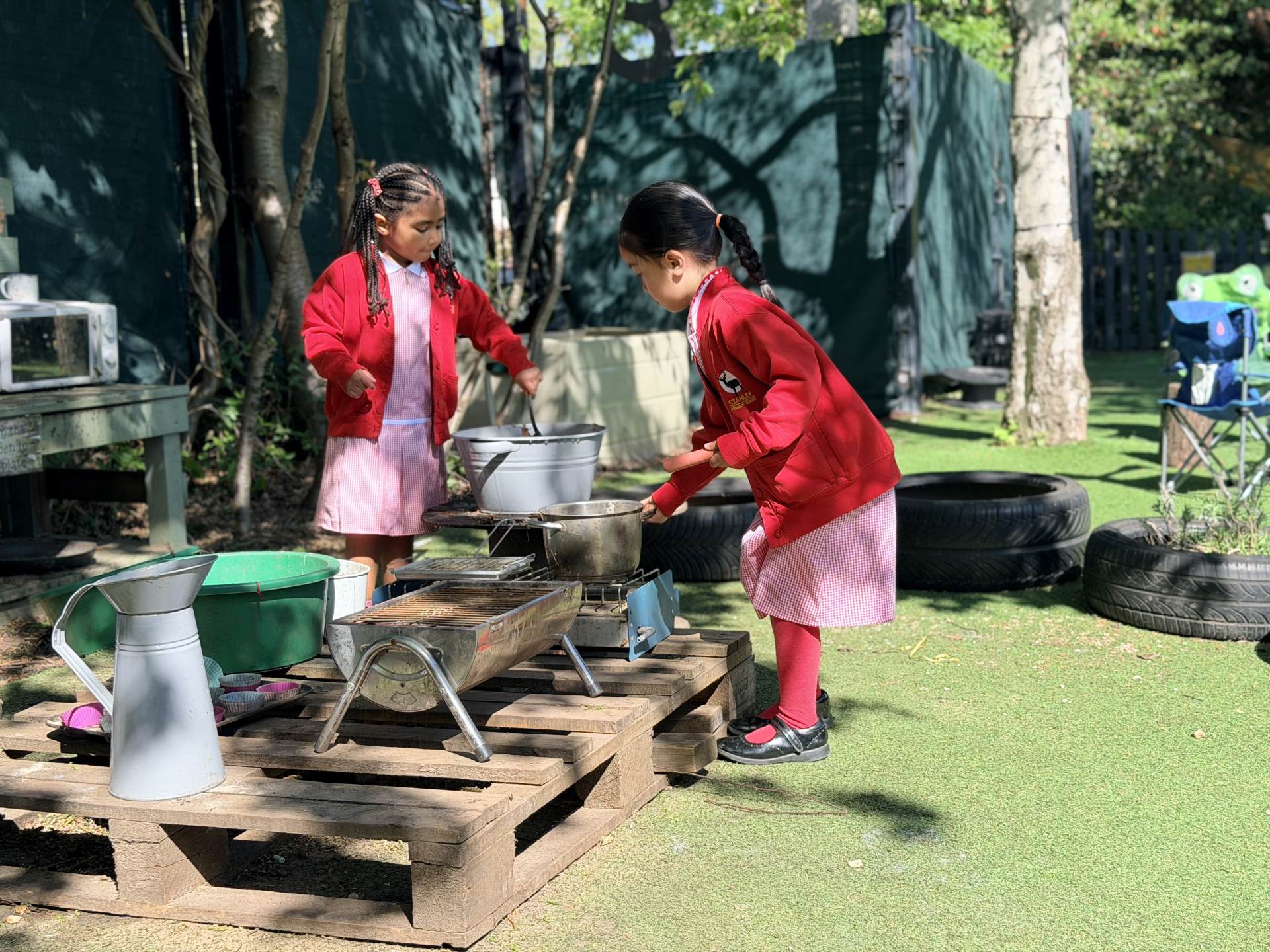
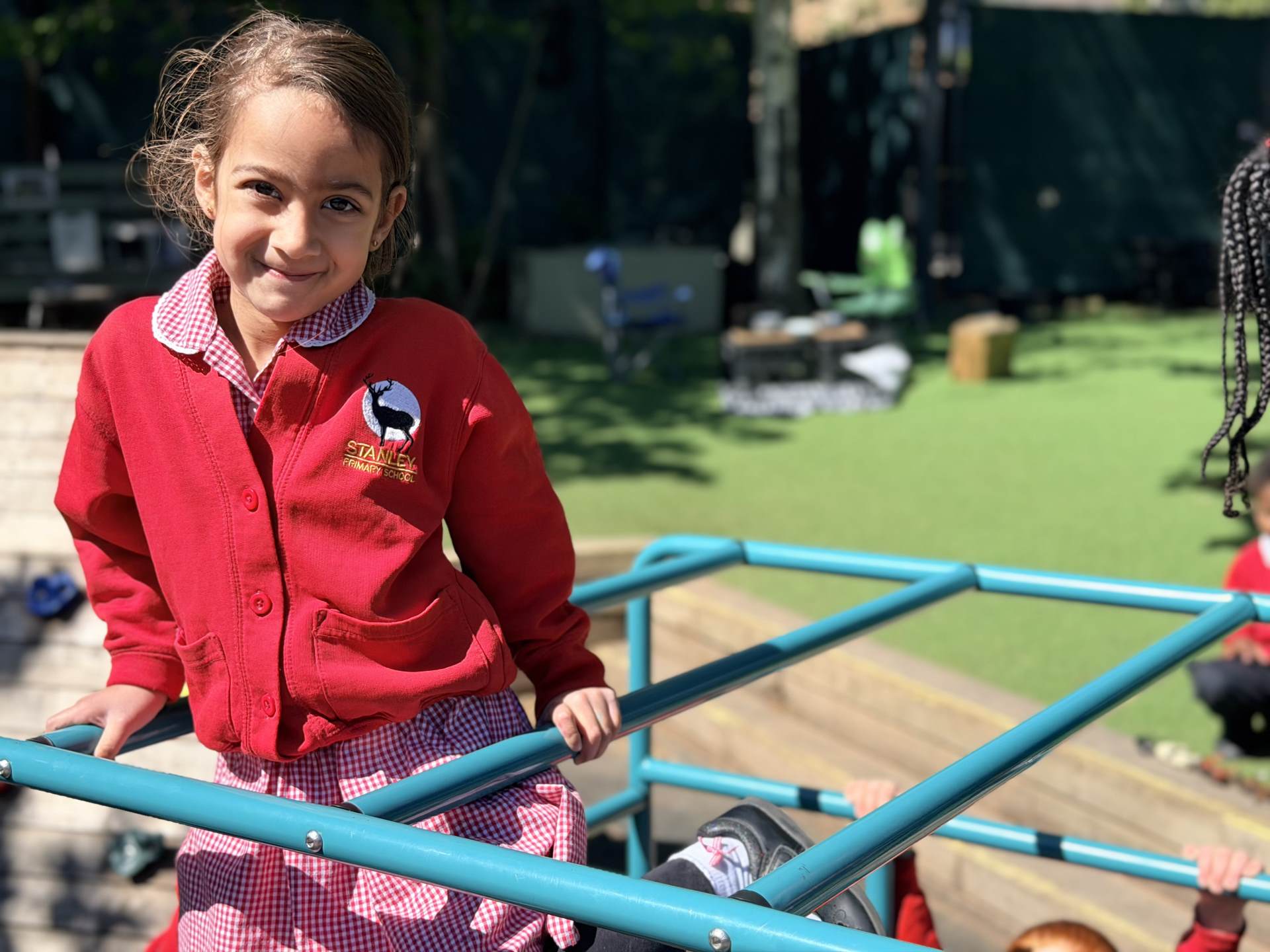
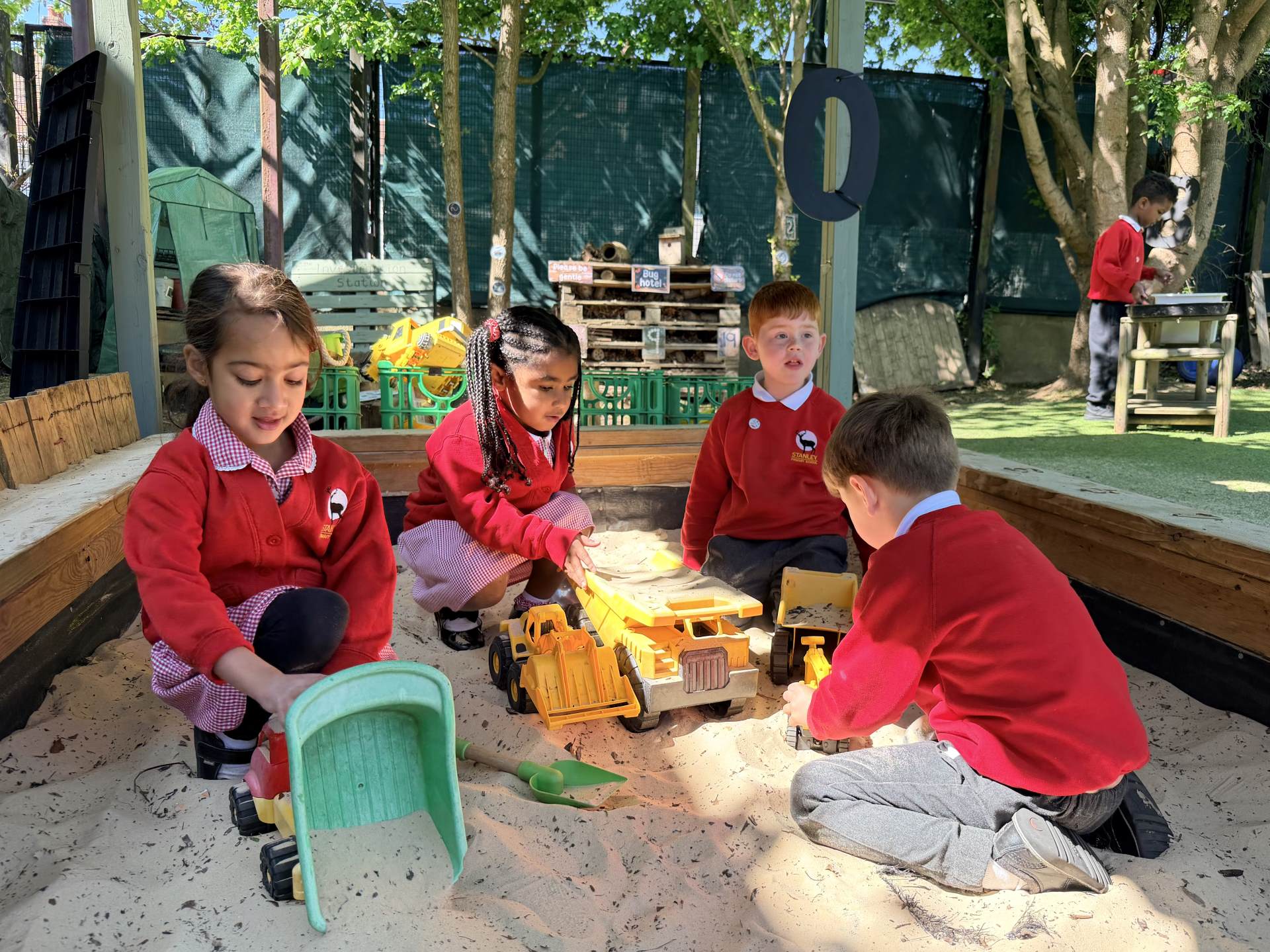
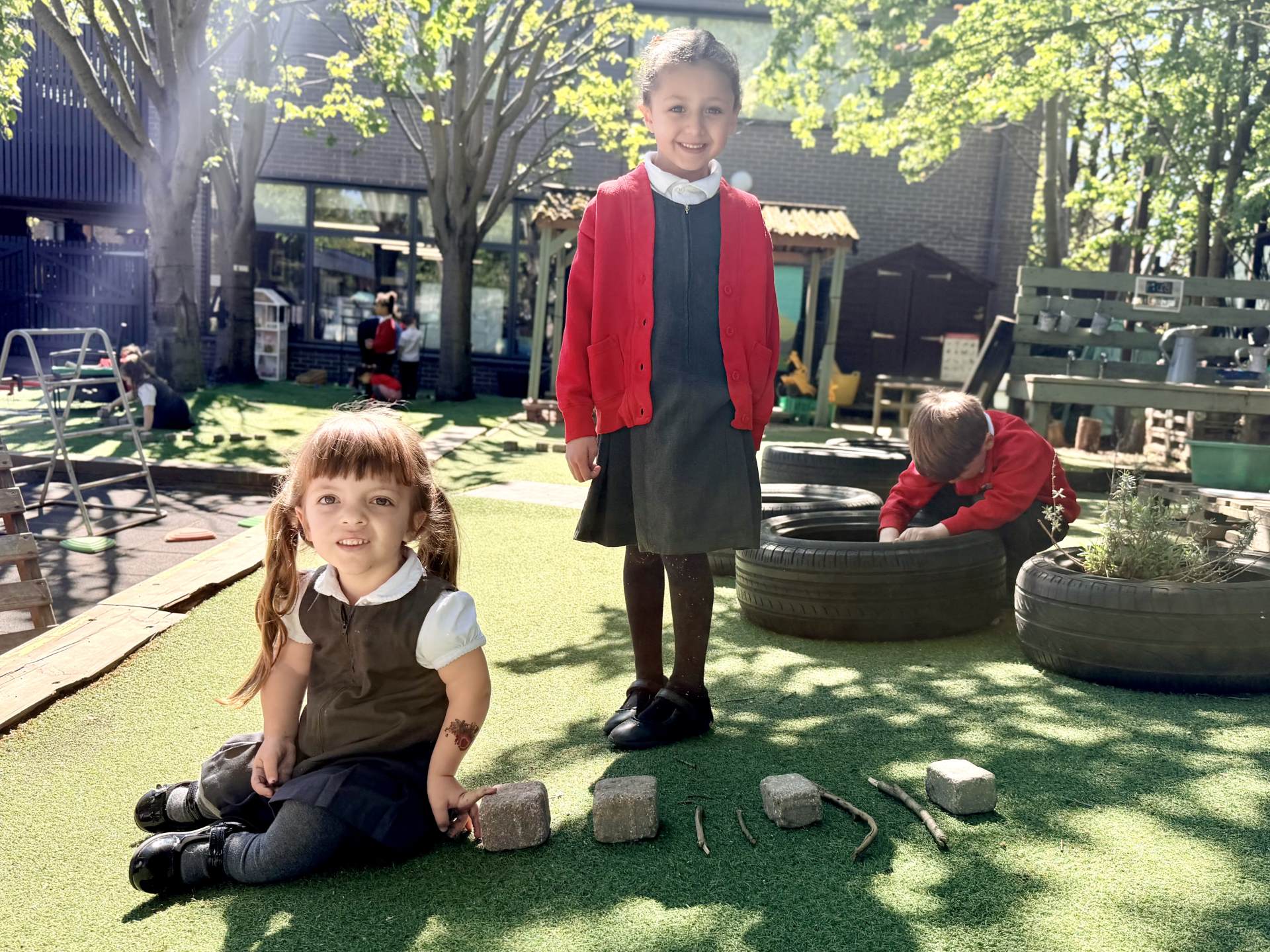
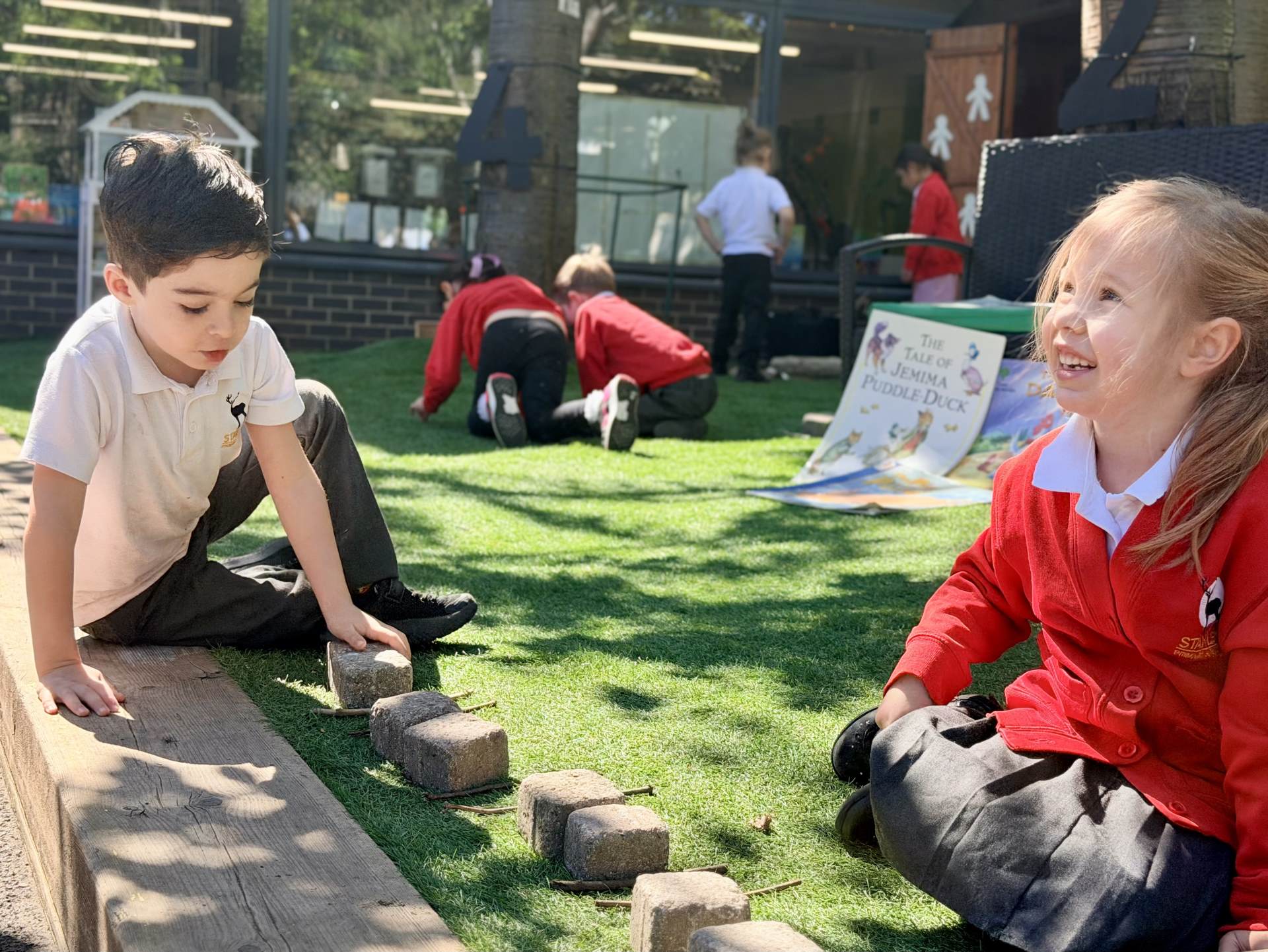
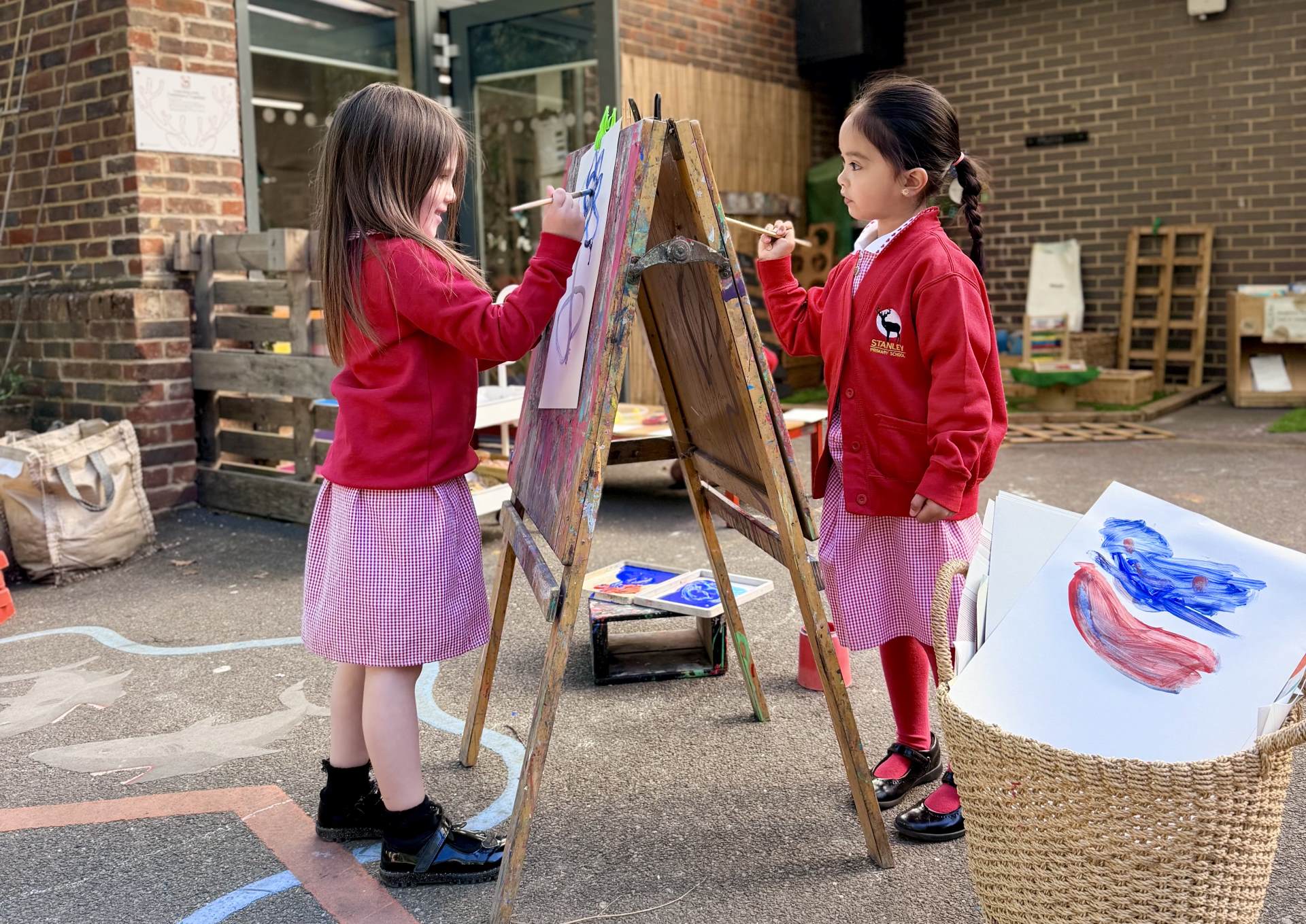
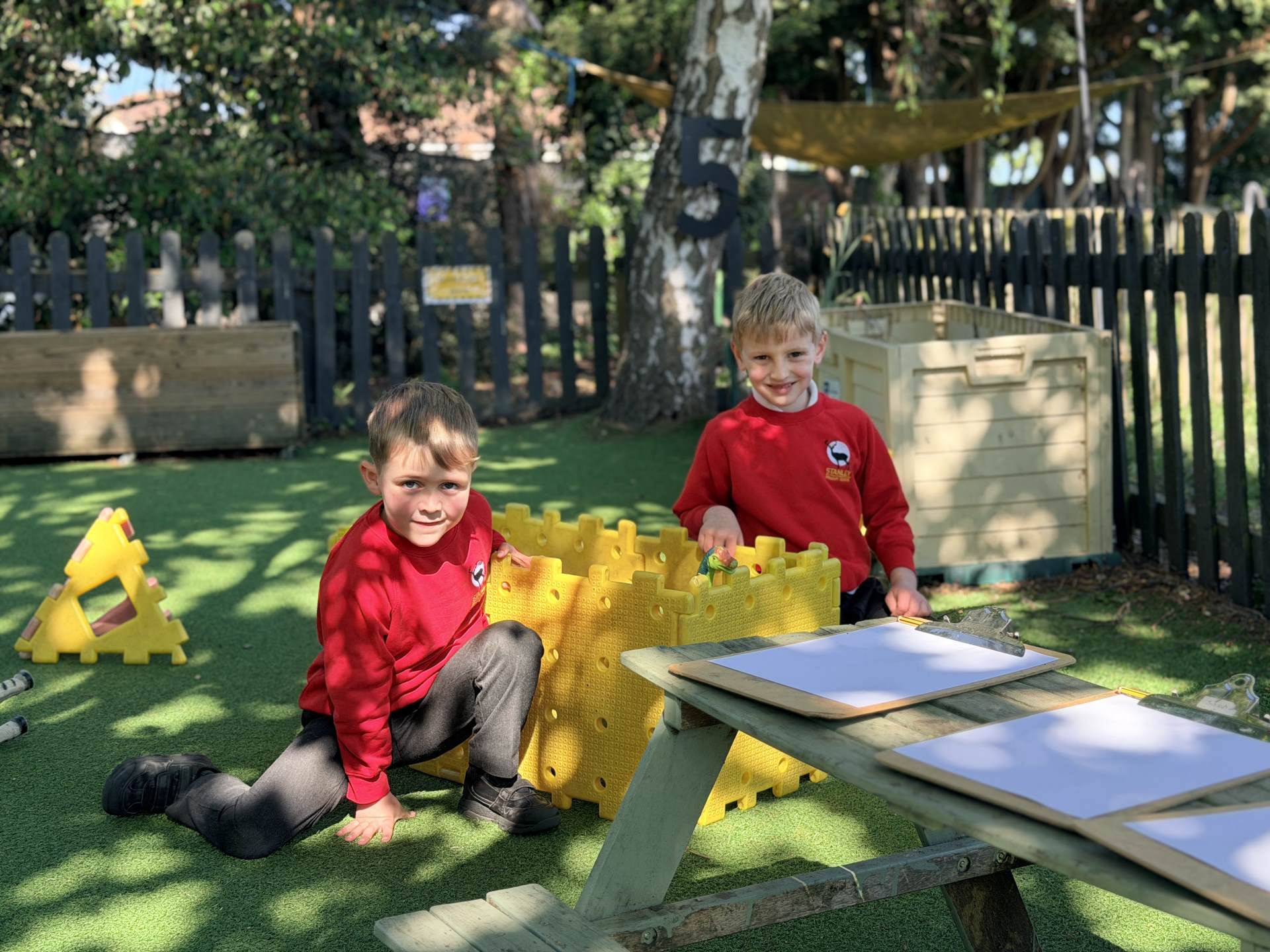
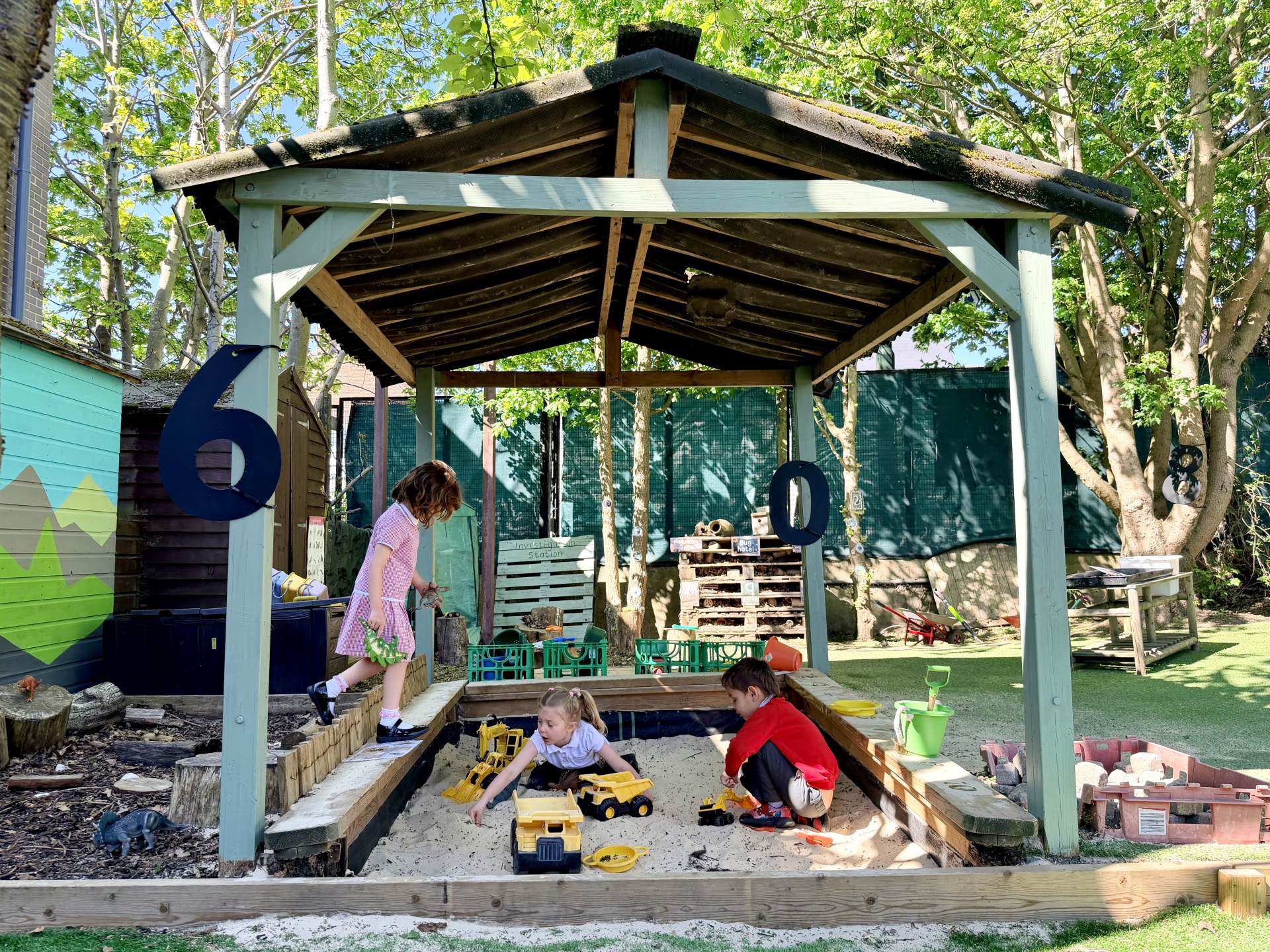
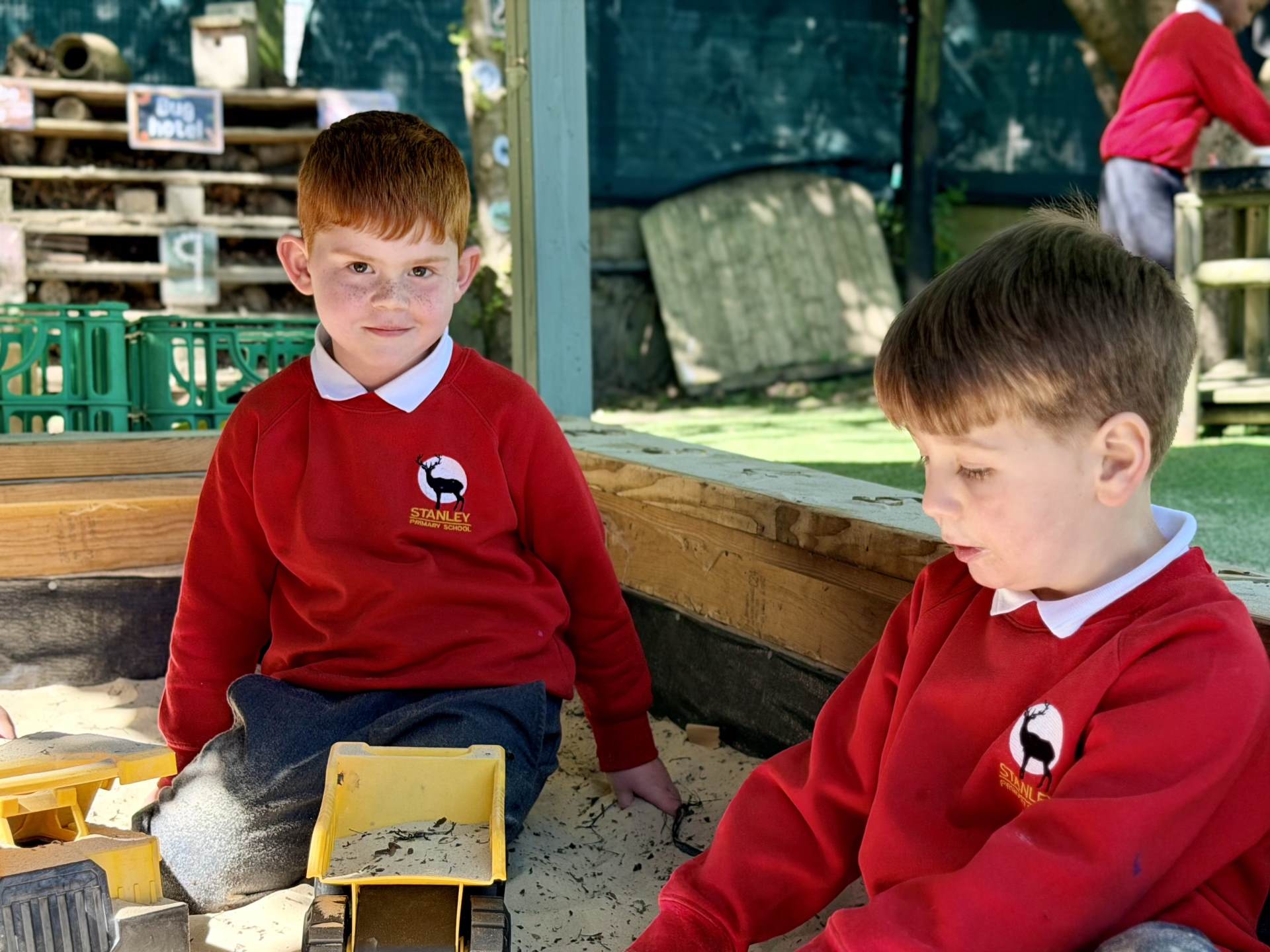
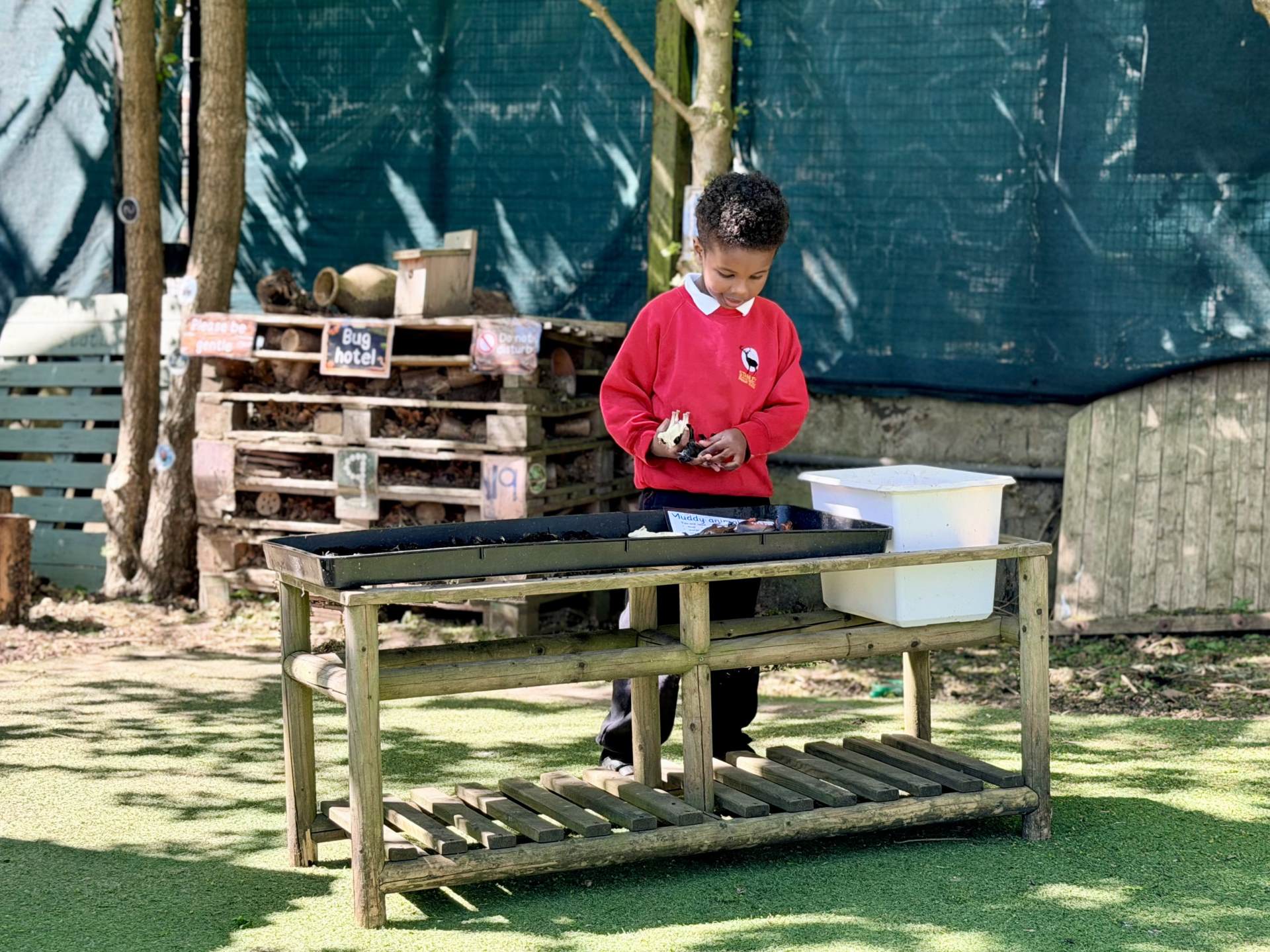
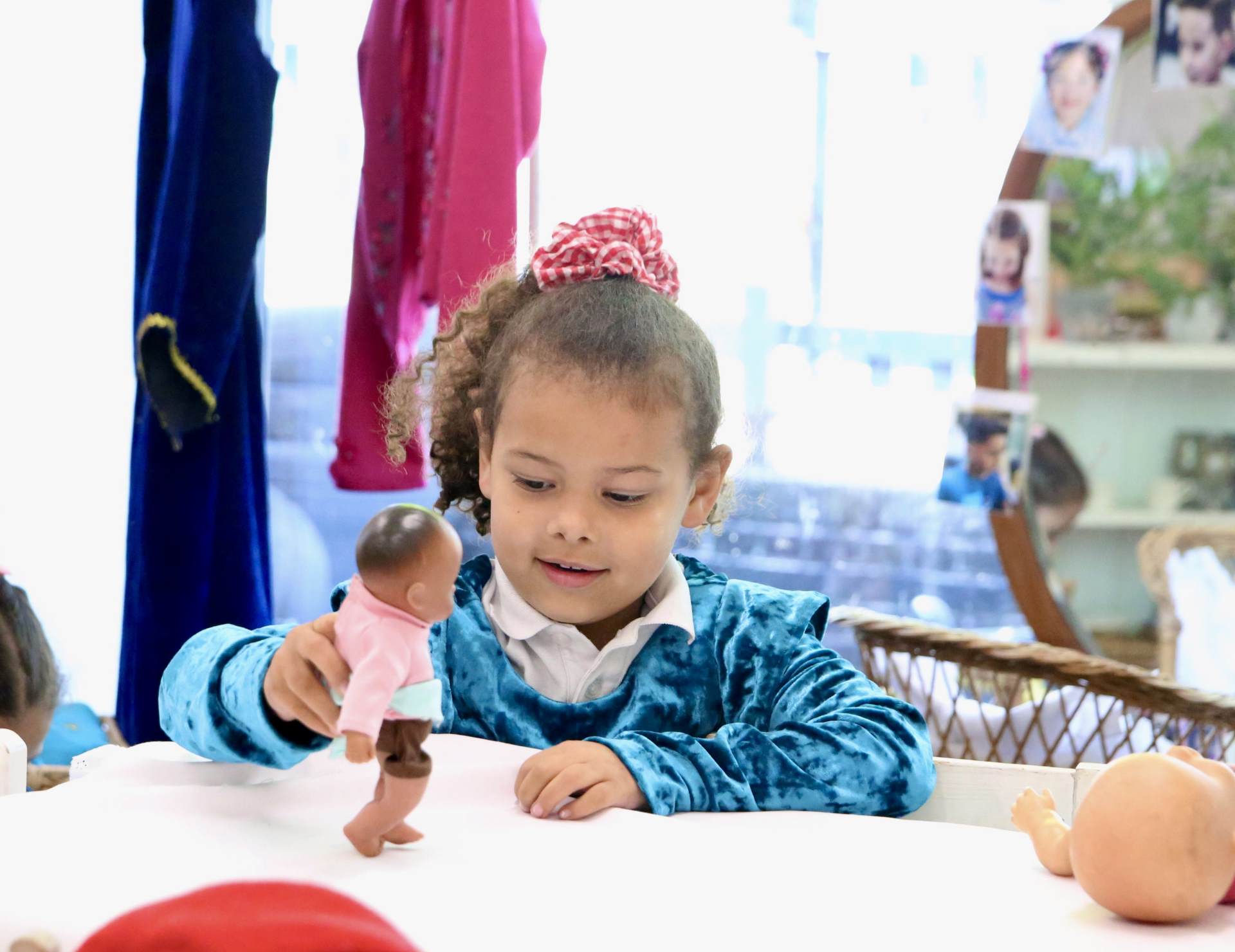
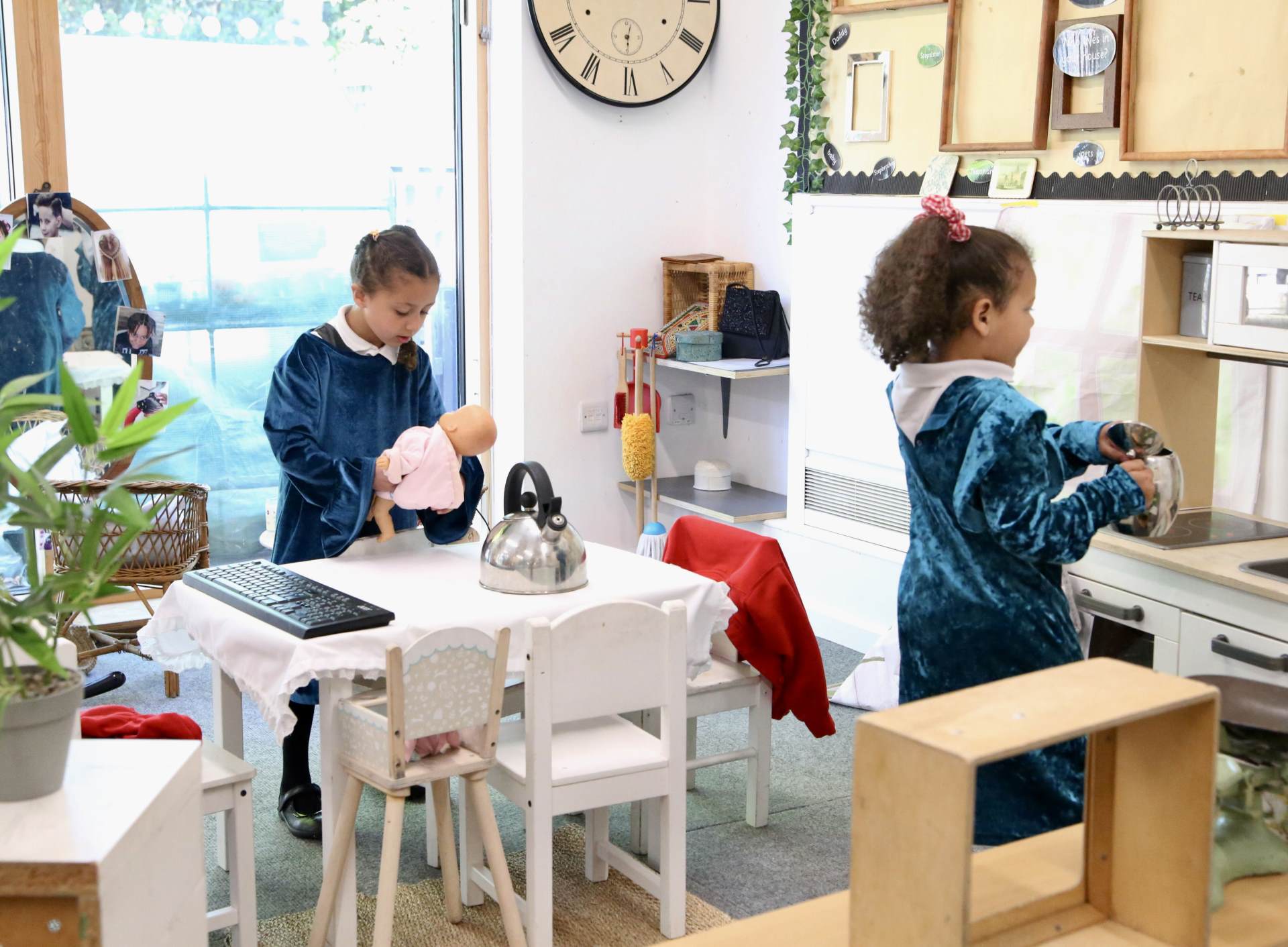
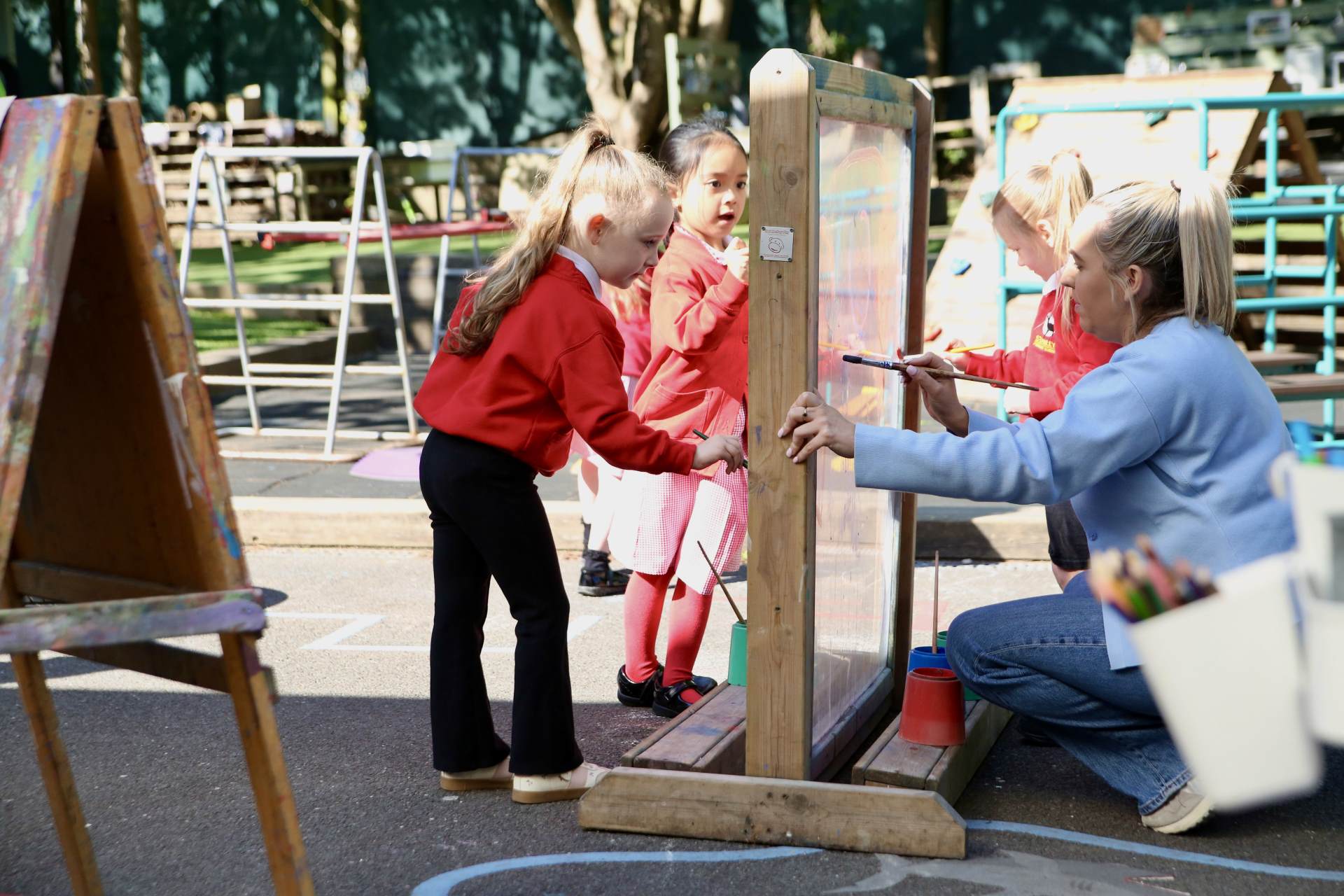
Running through our early years is the principle of learning through play, we believe this is the most meaningful way for young children to learn. We offer a number of open ended learning experiences, and the structure of our day includes extended periods of uninterrupted play, so that children can get deeply involved in their own learning. We provide rich, enabling learning environments, indoors and outdoors, which promote independence and a love of learning. Children can access resources by themselves, make choices, follow their own interests and extend their own learning independently. This all leads to greater involvement and deeper learning. As we move through the year our curriculum balance shifts to include some motivating adult led activities, core experiences, and targeted phonics and math sessions
Our curriculum is designed to give children the foundational knowledge and understanding needed to prepare them for year 1 and beyond. This is based on the Early Years Foundation Stage Statutory Framework and ‘Development Matters’ guidance, along with children’s interests and developmental needs, and the context of our school.
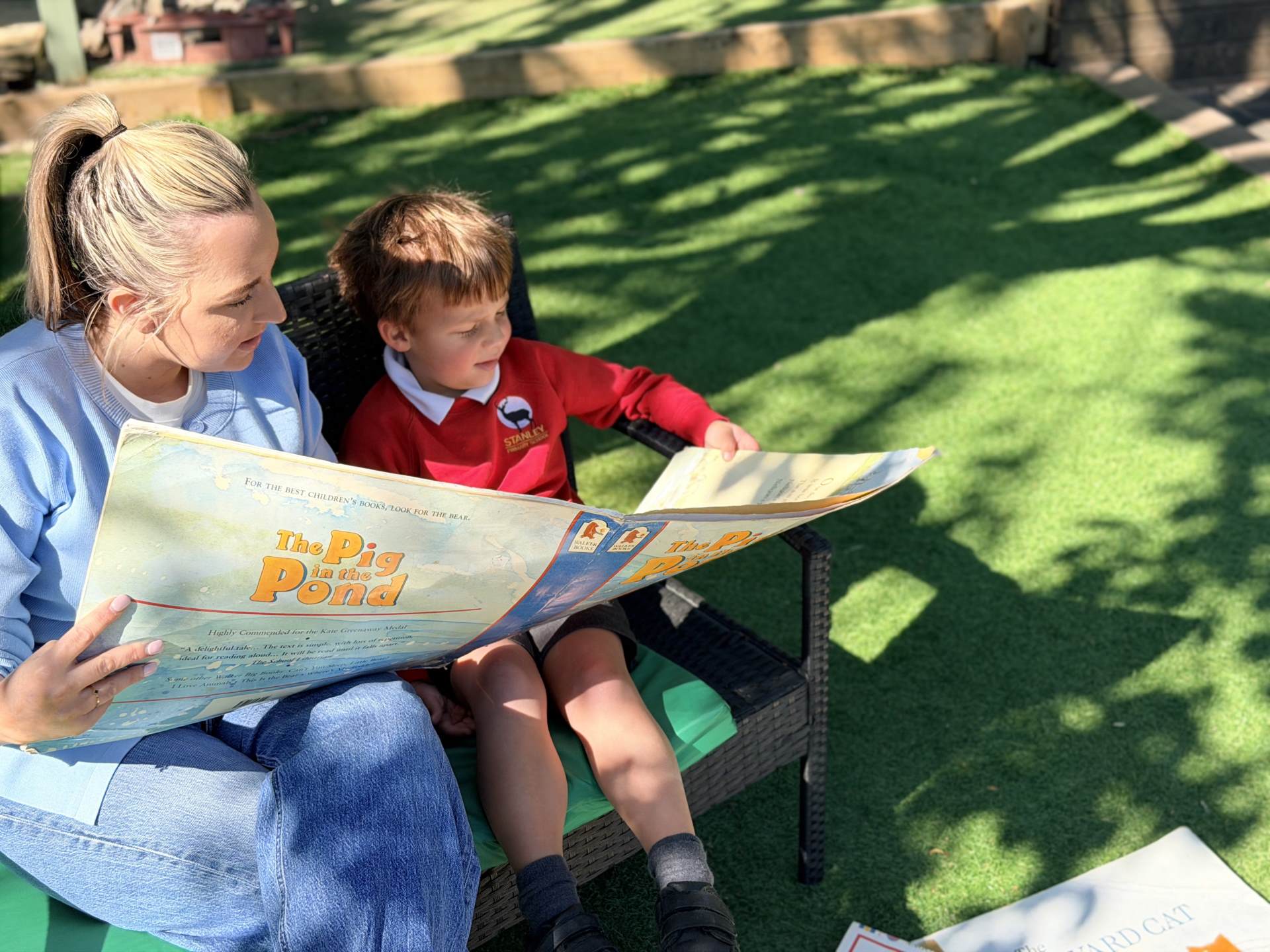
A priority in our school is the development of children’s language and vocabulary. We do this through the stories we read, our interactions with children, and our language and communication rich environment. We provide lots of opportunities to develop children’s familiarity with stories, songs and rhymes throughout, Nursery and Reception.
Starting Reception
Play Schemas
Reception
Curriculum
Our curriculum is designed to inspire, challenge, and support every child to achieve their full potential. We provide a broad and balanced range of learning experiences that build knowledge, develop skills, and foster curiosity about the world. Carefully planned to meet the needs of all learners, our curriculum ensures progression across each year group while making meaningful links between subjects. We aim to create engaging and purposeful learning opportunities that encourage children to think critically, work collaboratively, and develop independence. Through our curriculum, we strive to nurture confident, resilient learners who are well-prepared for the next stage of their education and beyond.
Curriculum Meeting for Parents EYFS 2026
Autumn Term Reception Curriculum Overview
Spring Term Reception Curriculum Overview
Summer Term Reception Curriculum Overview
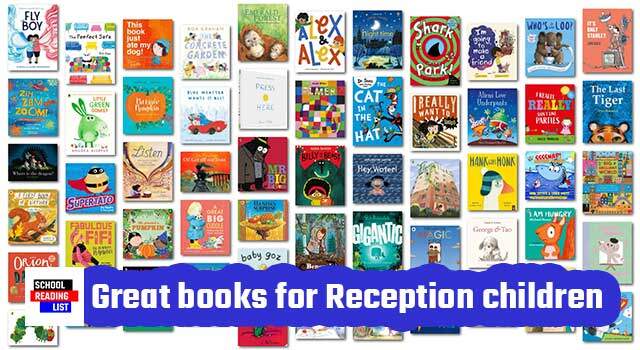
Reception Recommended Reading Books
Reading, Phonics & Oracy in the Early Years
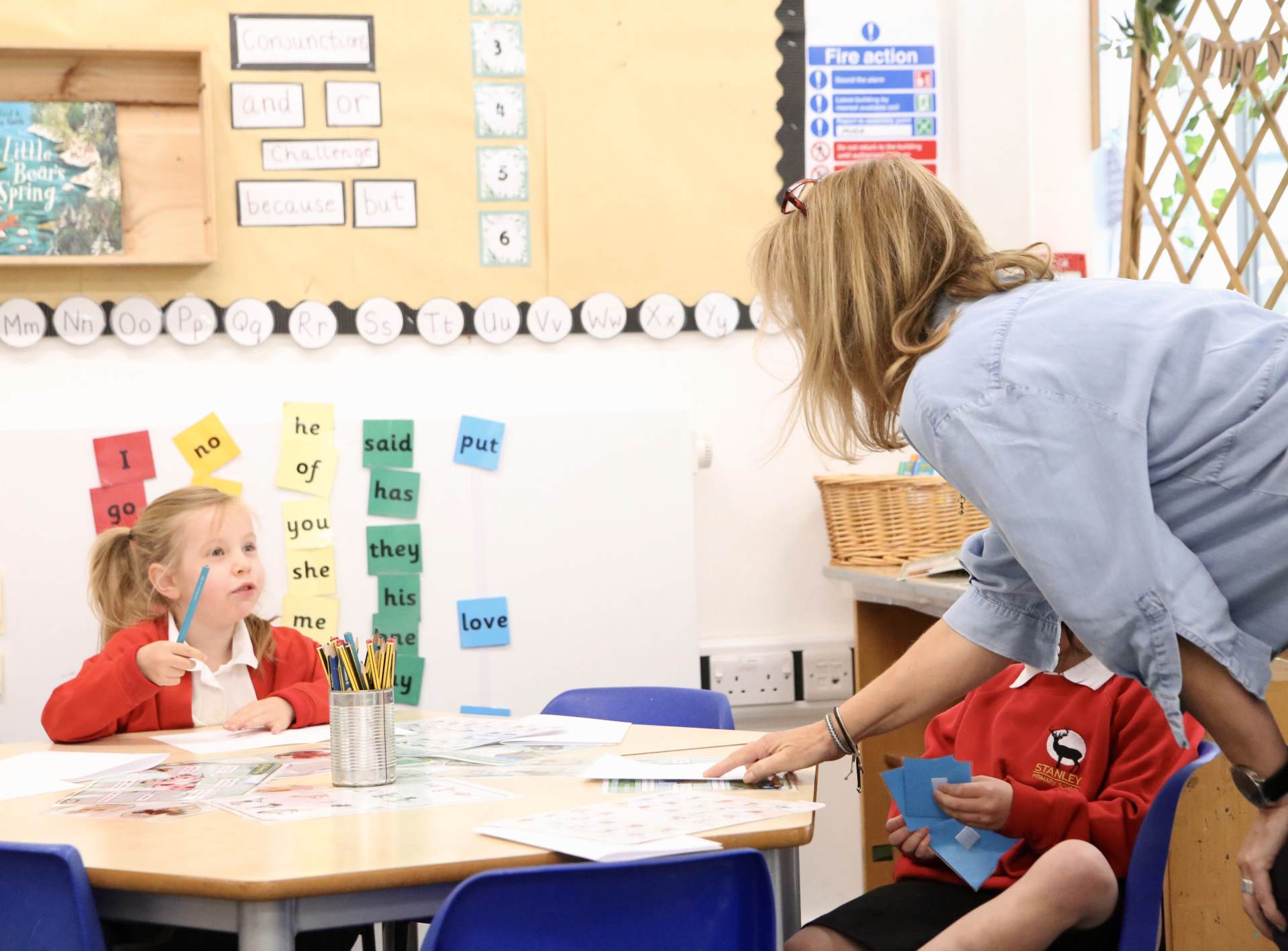
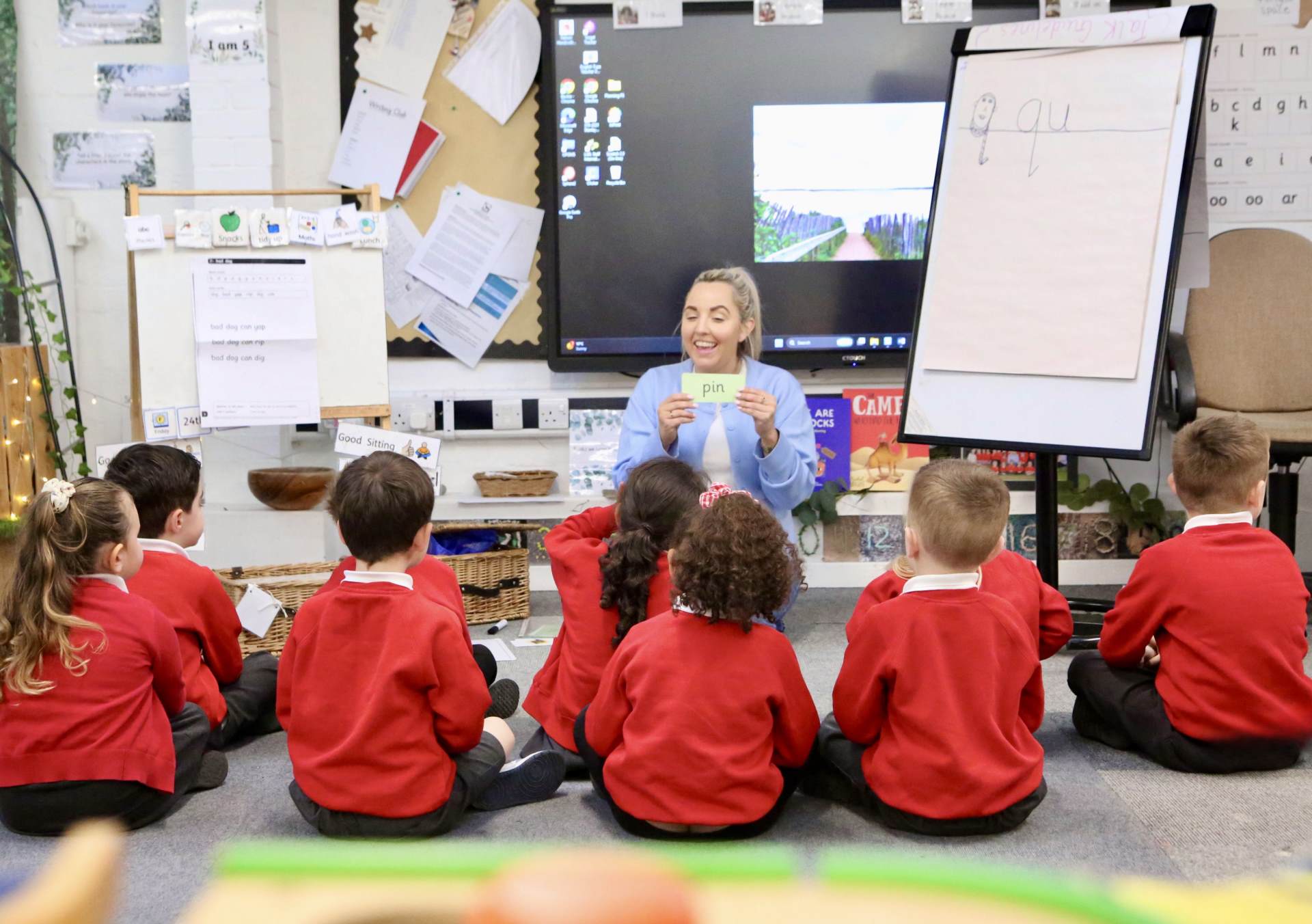
In Reception, we use the Read Write Inc. Phonics Programme to give children a strong foundation in early reading and writing. Through daily engaging phonics lessons, children quickly learn the sounds that letters make and begin blending them to read words and simple sentences.
Children learn to:
- Recognise and say letter sounds
- Blend sounds to read words
- Begin spelling using sounds that they know
- Form letters correctly
- Build confidence and enjoyment in reading
Our approach:
- Daily RWI Phonics teaching
- Fun, interactive lessons
- Small group learning matched to children's progress
- Reading books carefully matched to sounds taught
- Regular practice and repetition to build fluency
Alongside phonics teaching, we promote a love of reading throughout the Early Years through high quality stories, poems, rhymes and songs. Children enjoy listening to and retelling familiar tales, joining in with repeated language and exploring rhythm and rhyme through music and nursery rhymes. These experiences help to develop vocabulary, communication skills, imagination and a lifelong enjoyment of books and reading.
We also place a strong focus on oracy across the school, ensuring all children feel confident to share their thoughts, ideas and opinions. Children are given regular opportunities to develop the four key strands of oracy through:
- Role Play and Storytelling
- Working collaboratively with others
- Show and Tell opportunities
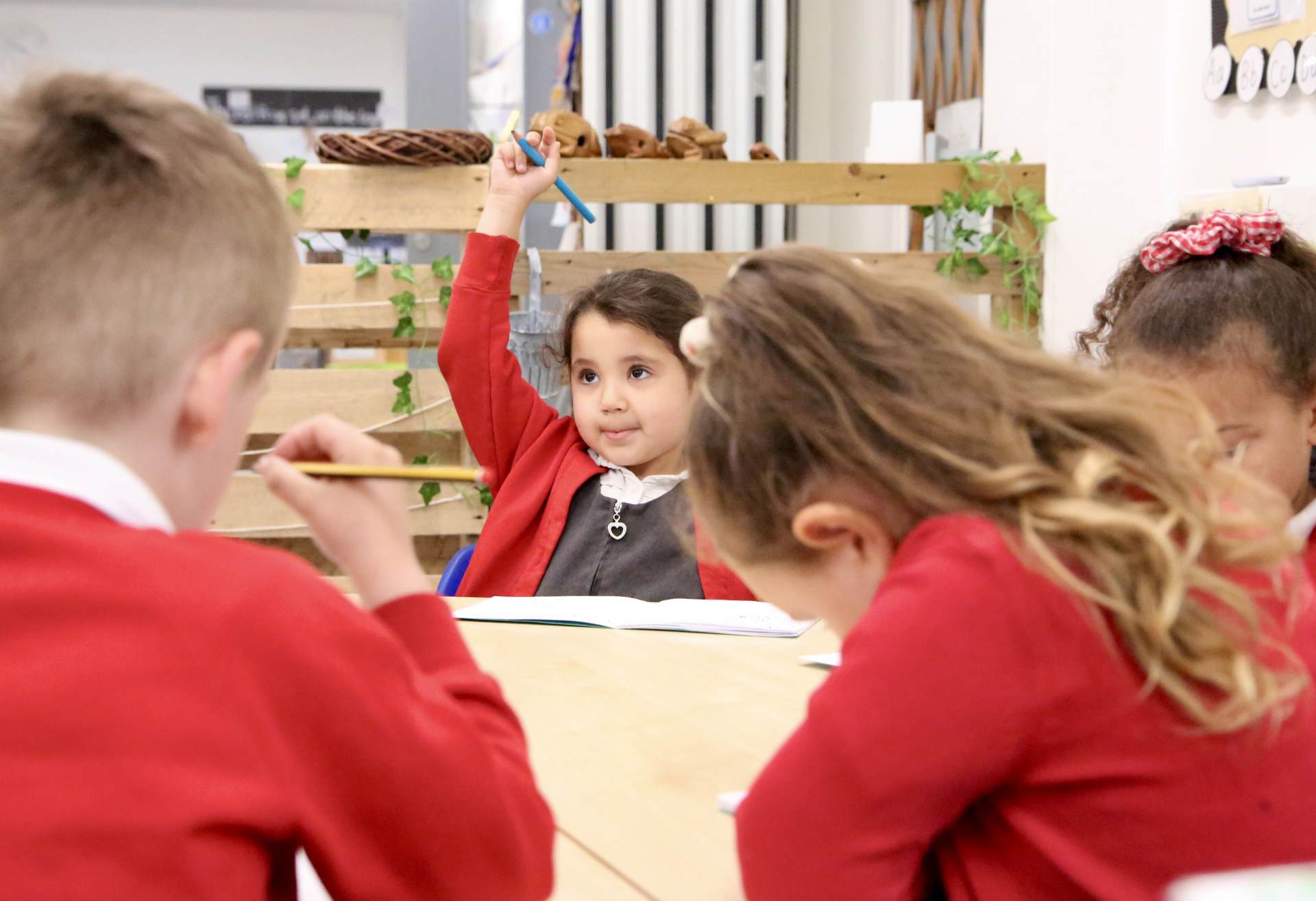
- Class discussions and questioning
- Performances and class assemblies
- Exploring and explaining their learning through play
These experiences help children develop confidence, speaking and listening skills, vocabulary and the ability to communicate clearly with others.
Approach to Writing in Early Years
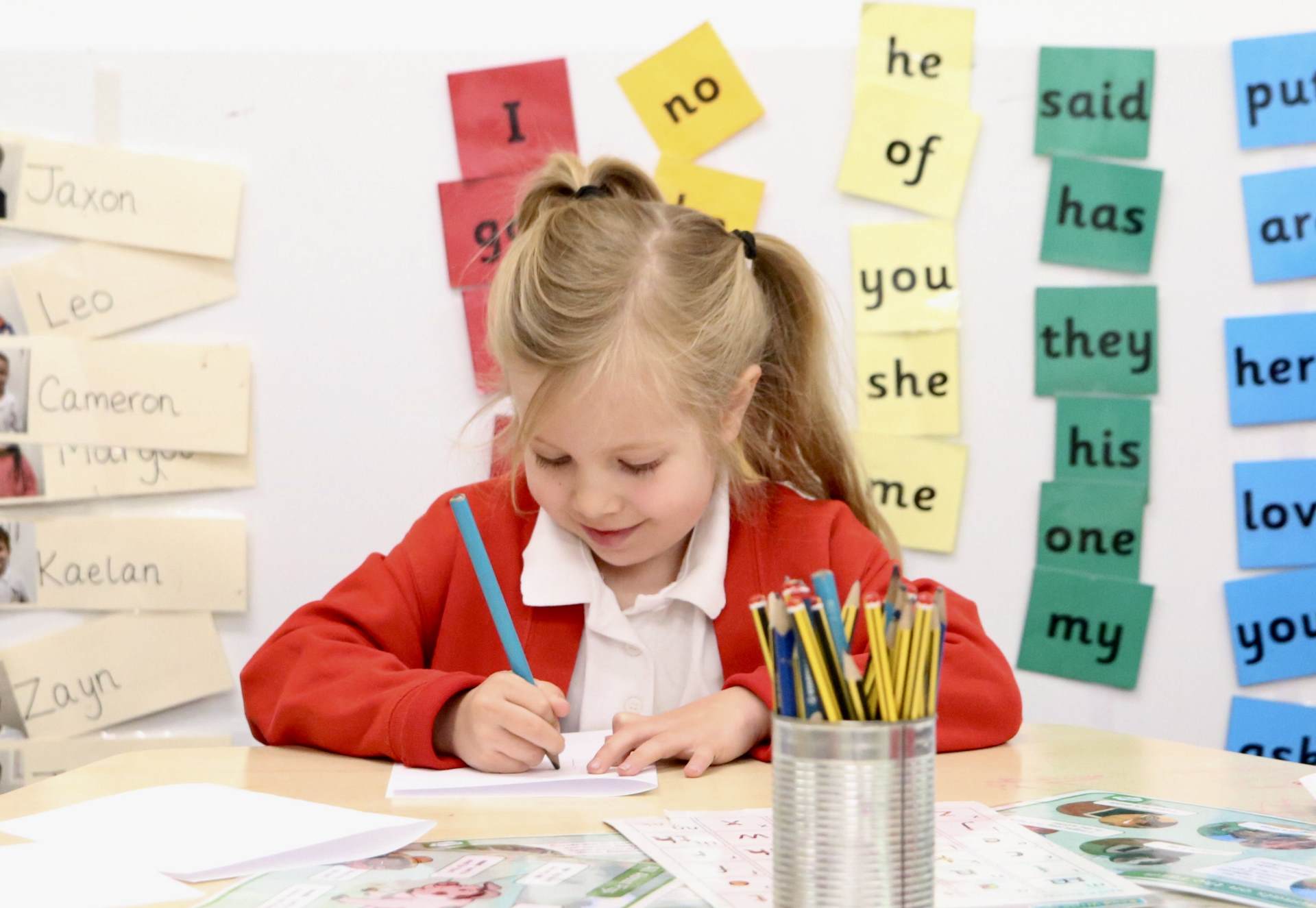
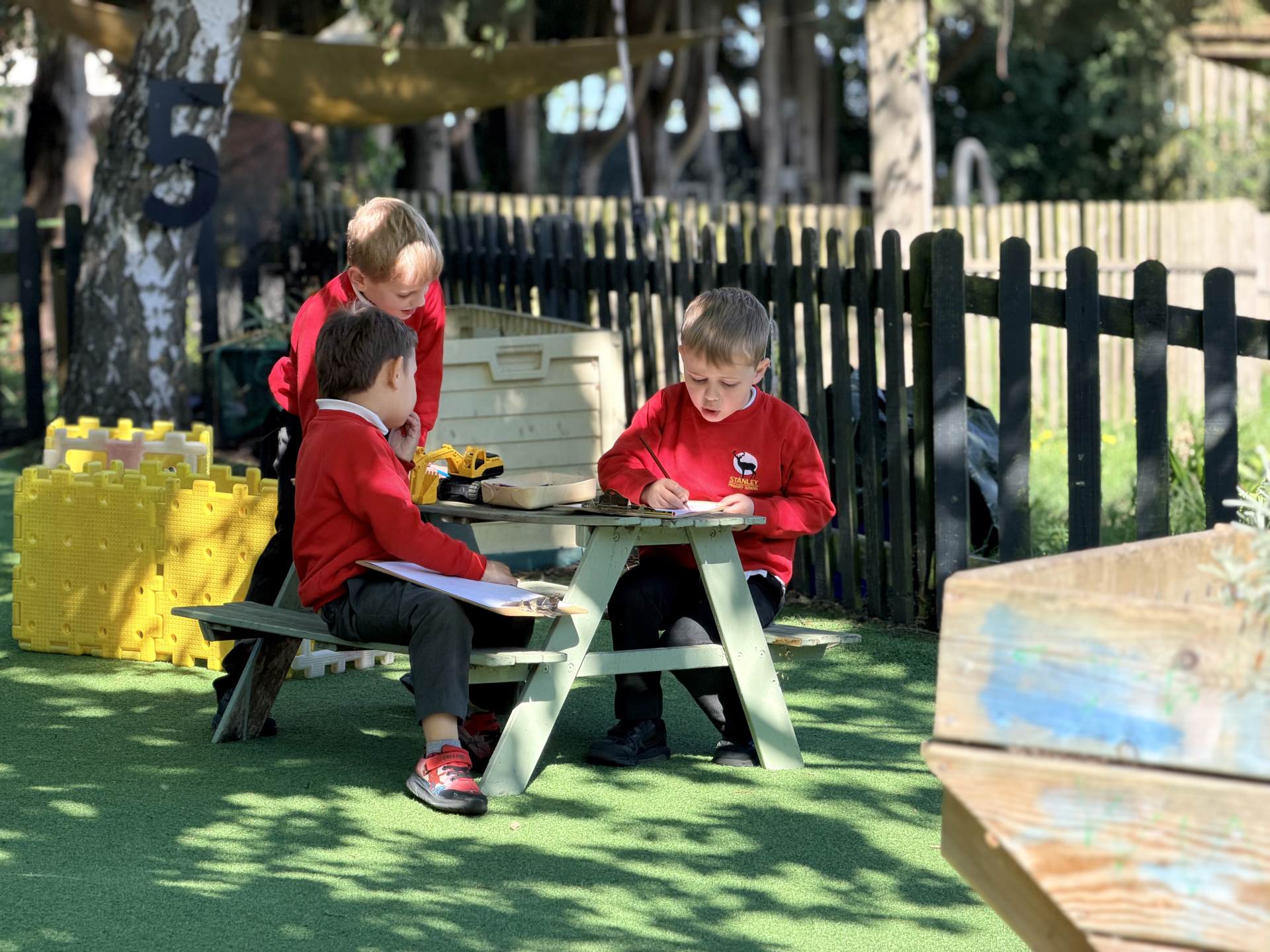
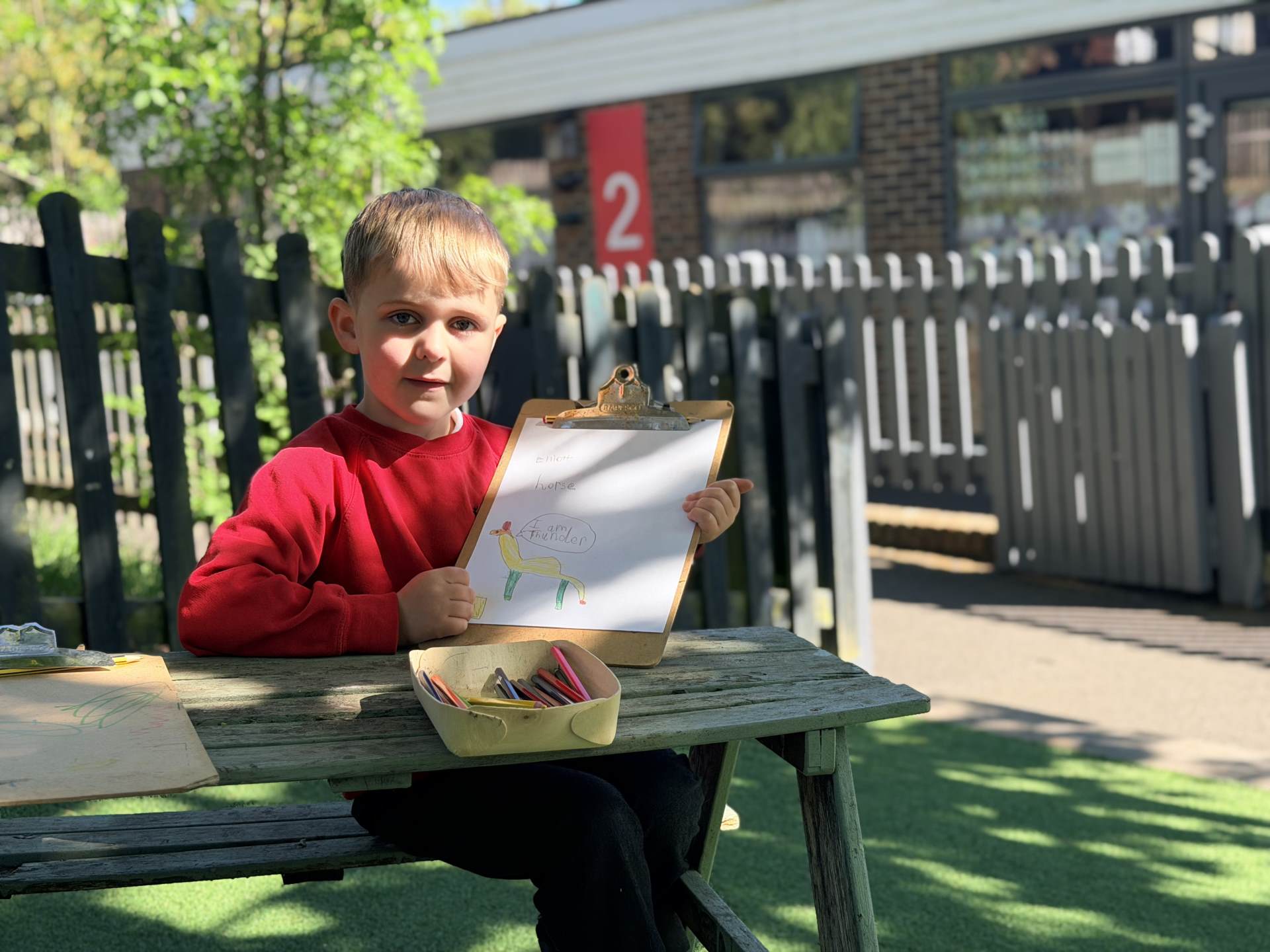
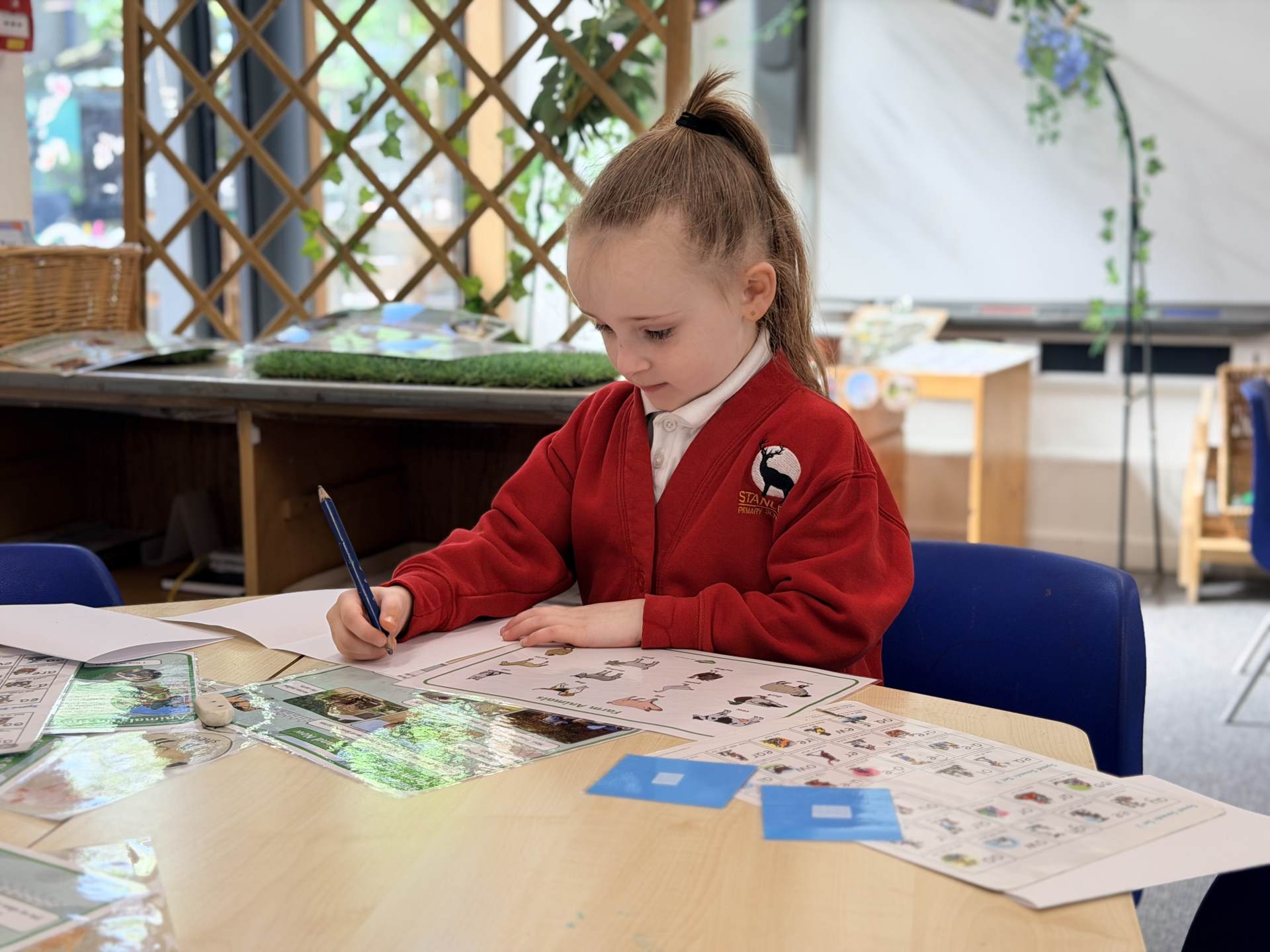
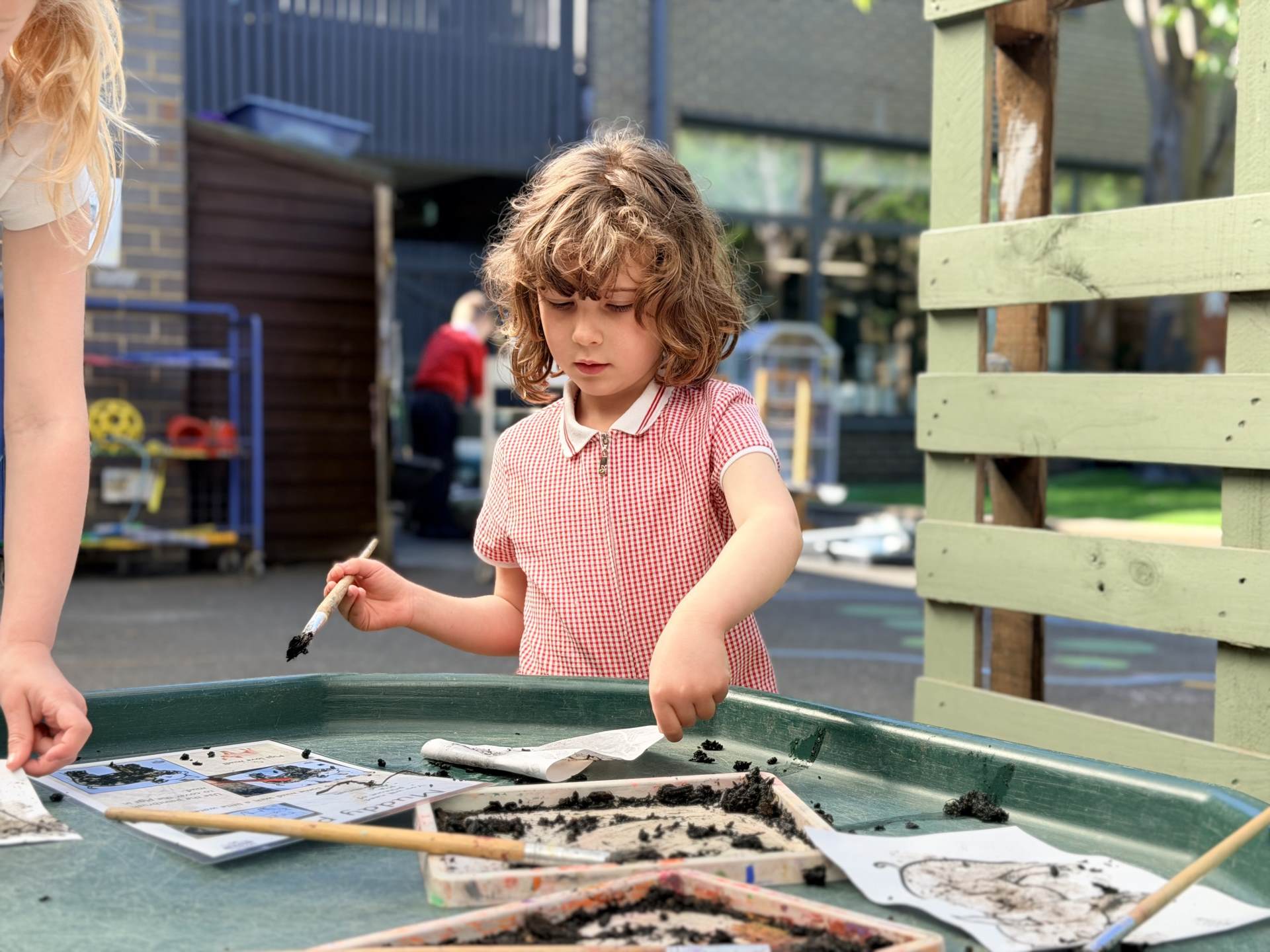
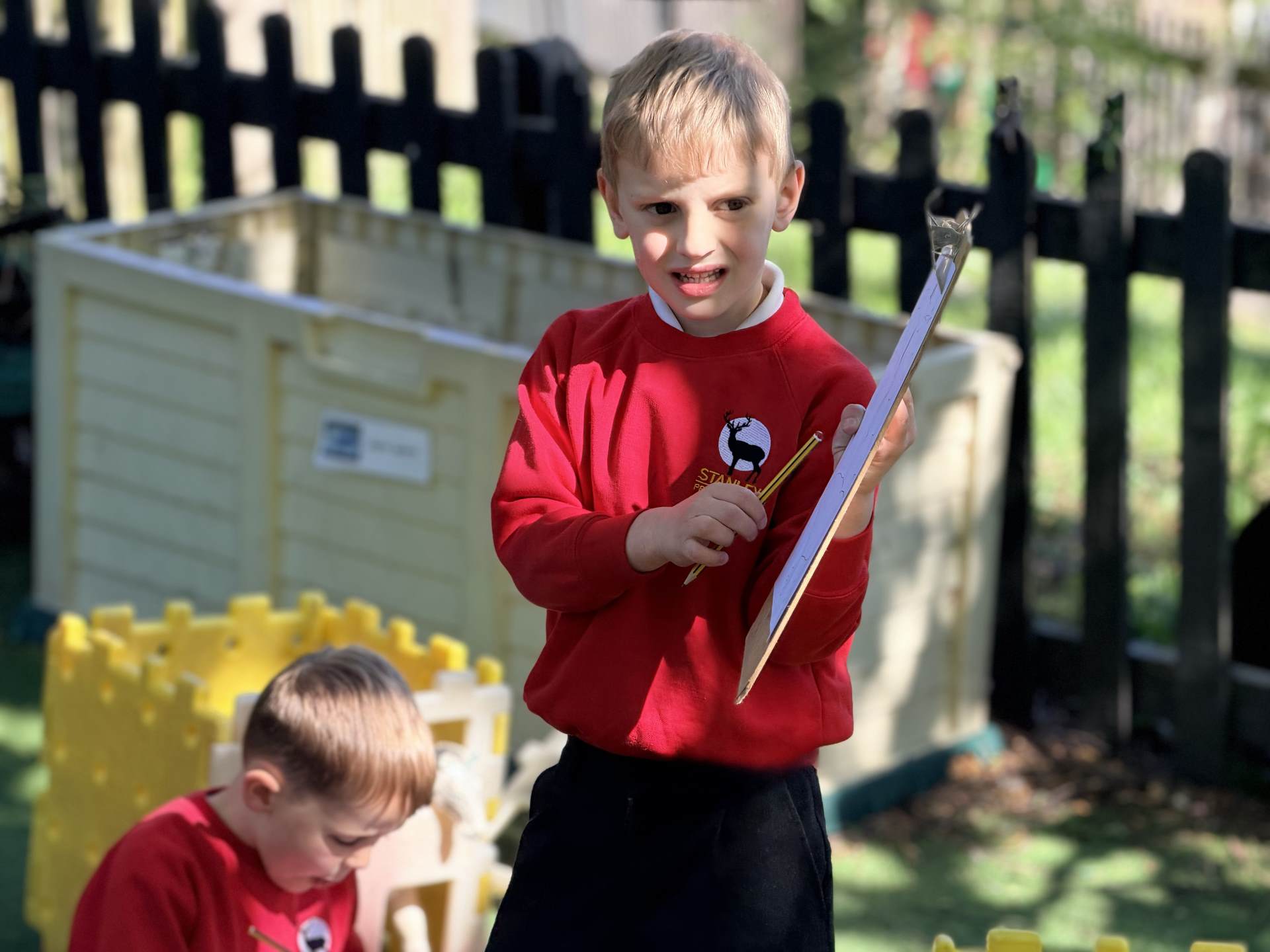
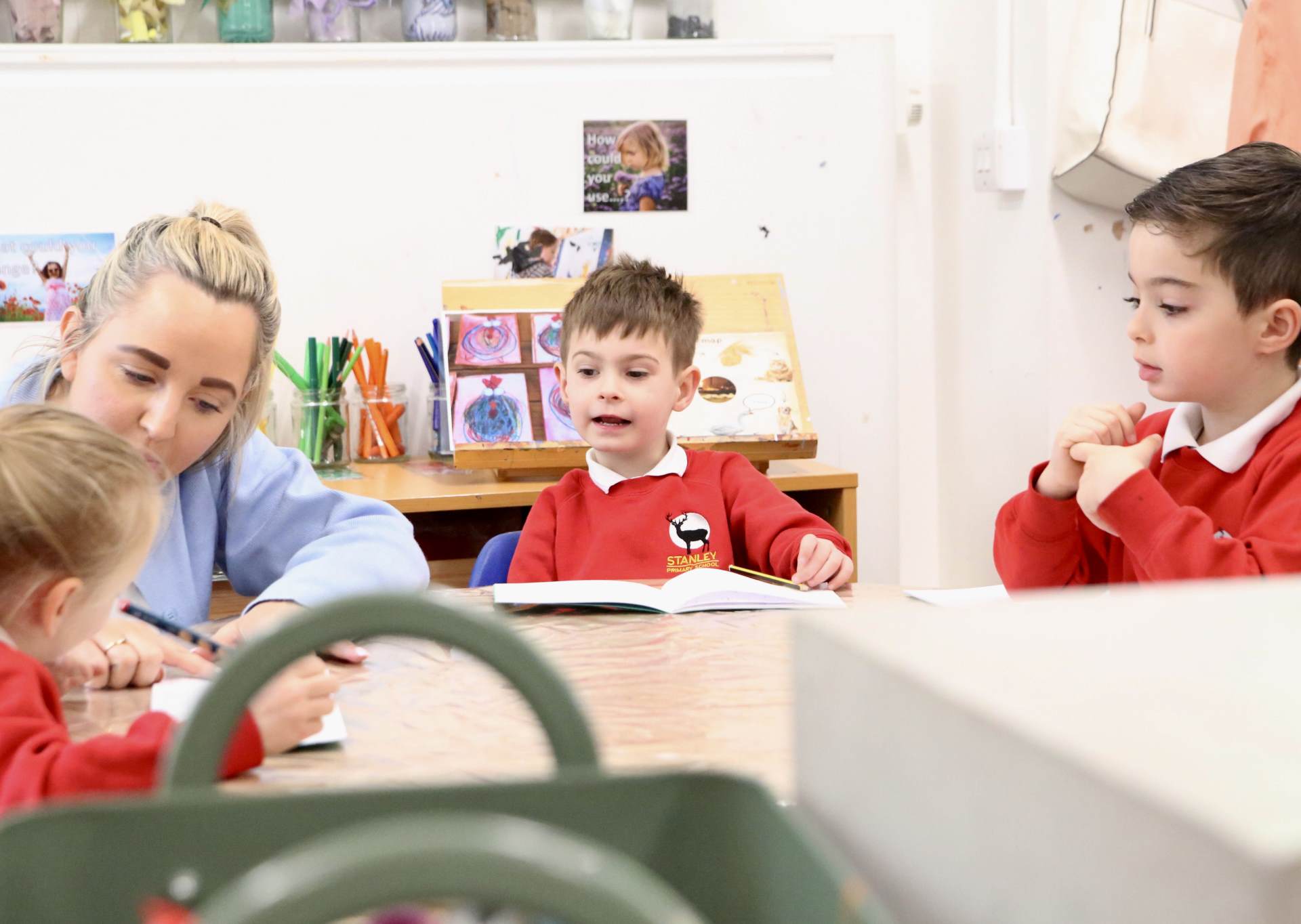
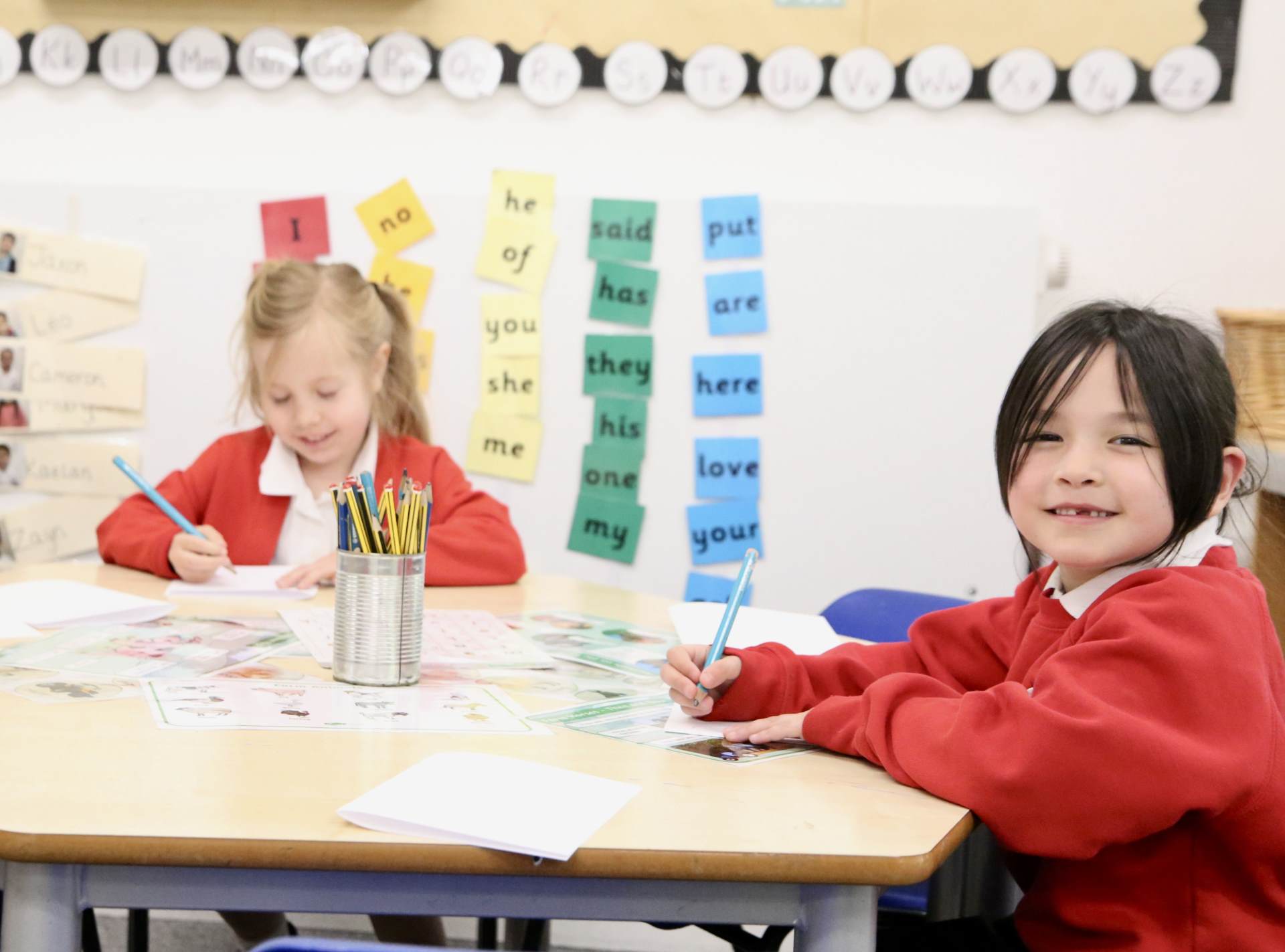
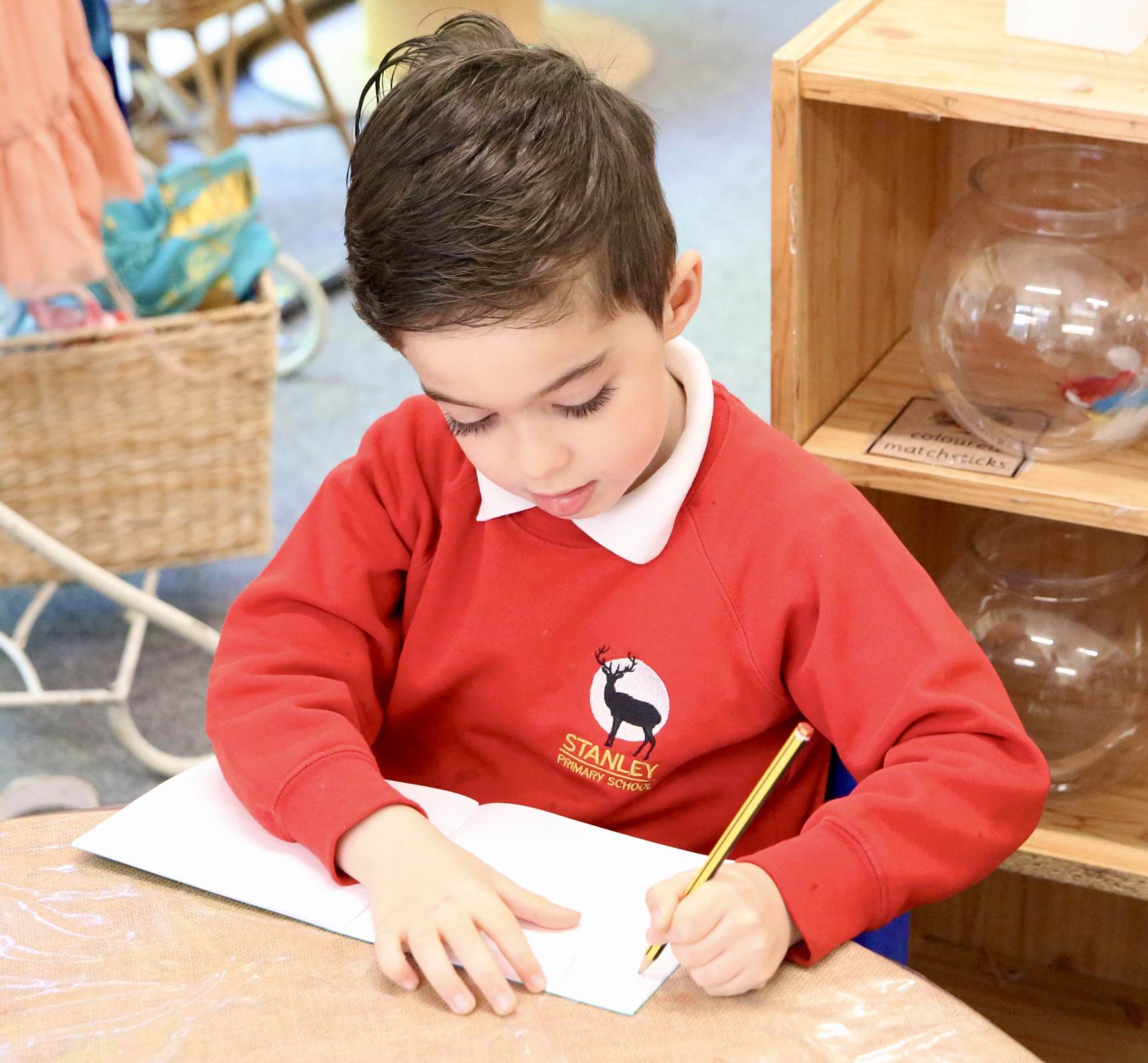
In Reception, we develop children's early writing skills through meaningful, practical and engaging experiences. Before children are ready to form letters correctly, they need to develop the finger strength, co-ordination, and pencil control needed for writing. We support this through a wide range of gross and fine motor activities across our continuous provision. Writing opportunities are carefully linked to children's interests and introduced through exciting provocations to encourage purposeful mark making and early writing. Children may discover dinosaur eggs, fairy letters, treasure maps or mystery objects that inspire them to talk, draw and write during their exploring time.
Our approach:
- Daily handwriting sessions
- Writing opportunities within daily phonics lessons
- Weekly Drawing Club sessions inspired by Greg Bottrill to develop vocabulary, imagination and storytelling
- Gross and fine motor activities to strengthen early writing skills
- Writing linked to children's interests and play experiences
- Purposeful provocations to encourage mark making and independent writing
- Opportunities to write throughout continuous provision and exploration time
Through stories, play and exciting experiences, children develop confidence, creativity and enjoyment in early writing.
Helping your child Learn to Write
Maths in the Early Years
In Reception, we use the White Rose Maths approach to develop children's confidence and enjoyment in mathematics through practical, engaging and play based learning. Children build strong early number understanding through hands on experiences, discussion and exploration, including the Mastering Number Programme.
Our approach:
- Daily practical maths sessions
- Developing secure number sense and counting skills
- Problem solving and reasoning activities
- Using and applying maths during play and continuous provision
- Exploring shape, pattern, measure & mathematical language
- Building confidence through repetition and hands-on learning
Through meaningful experiences and investigation, children develop curiosity, resilience and a positive attitude towards maths.
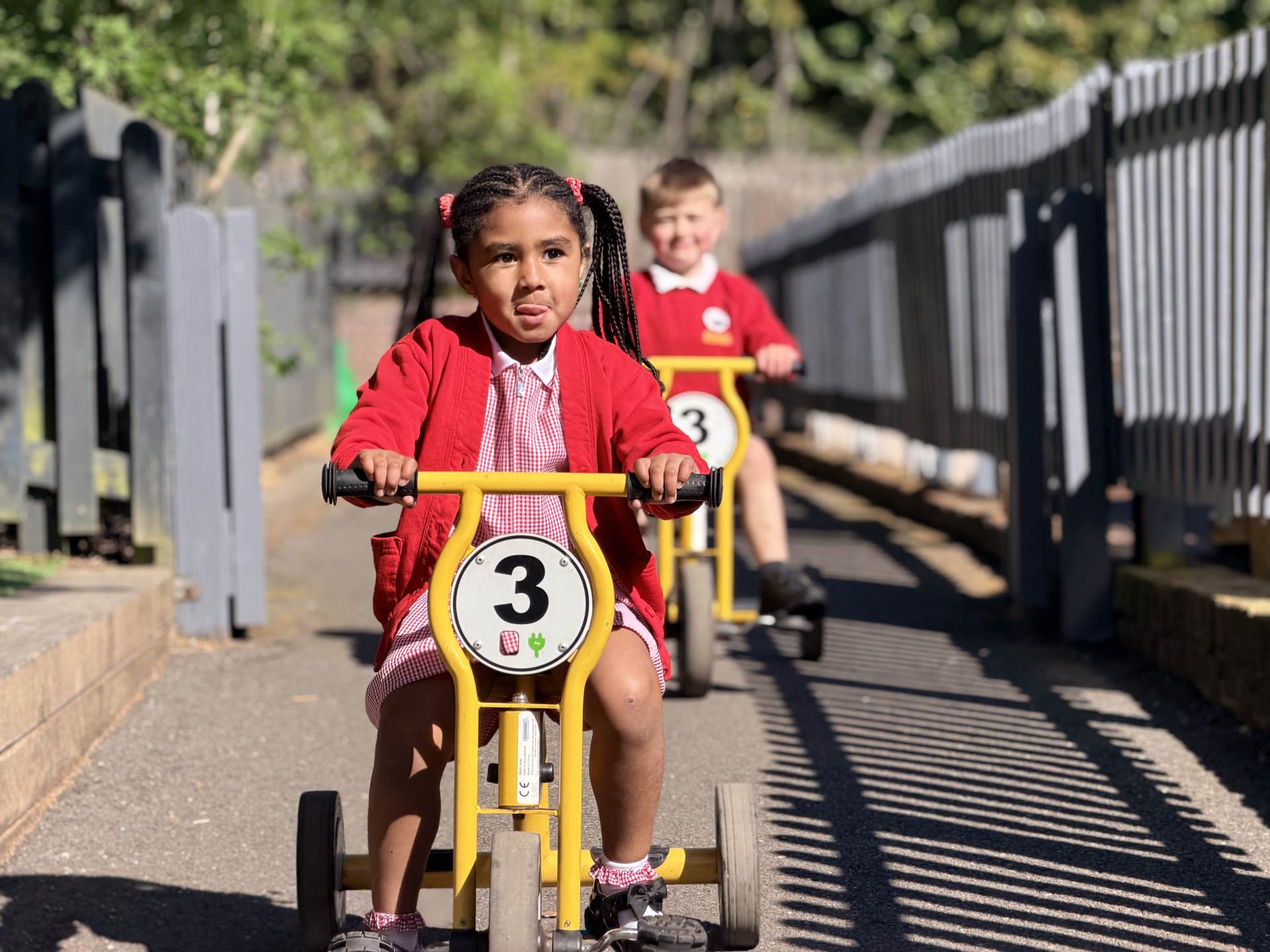
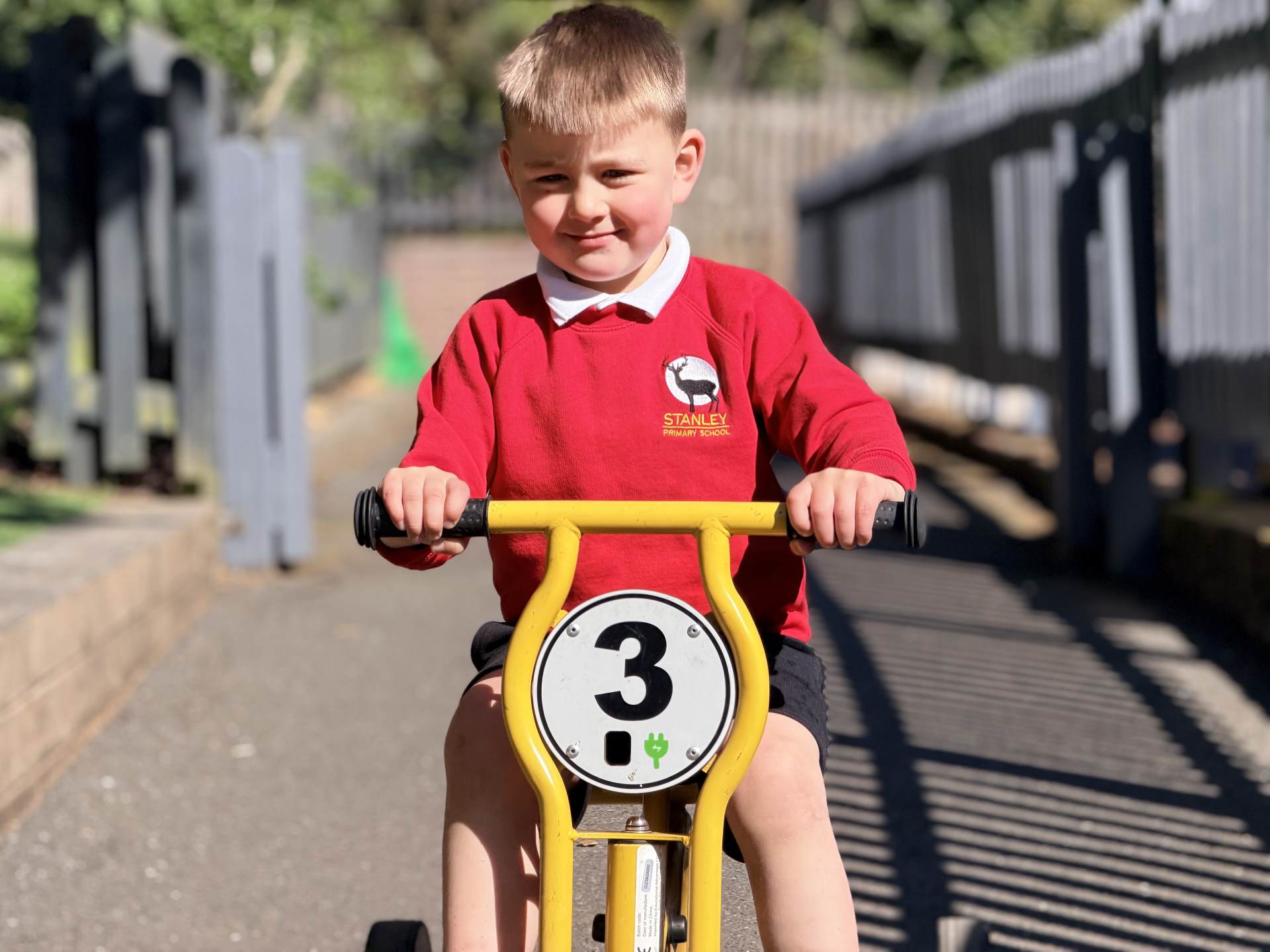
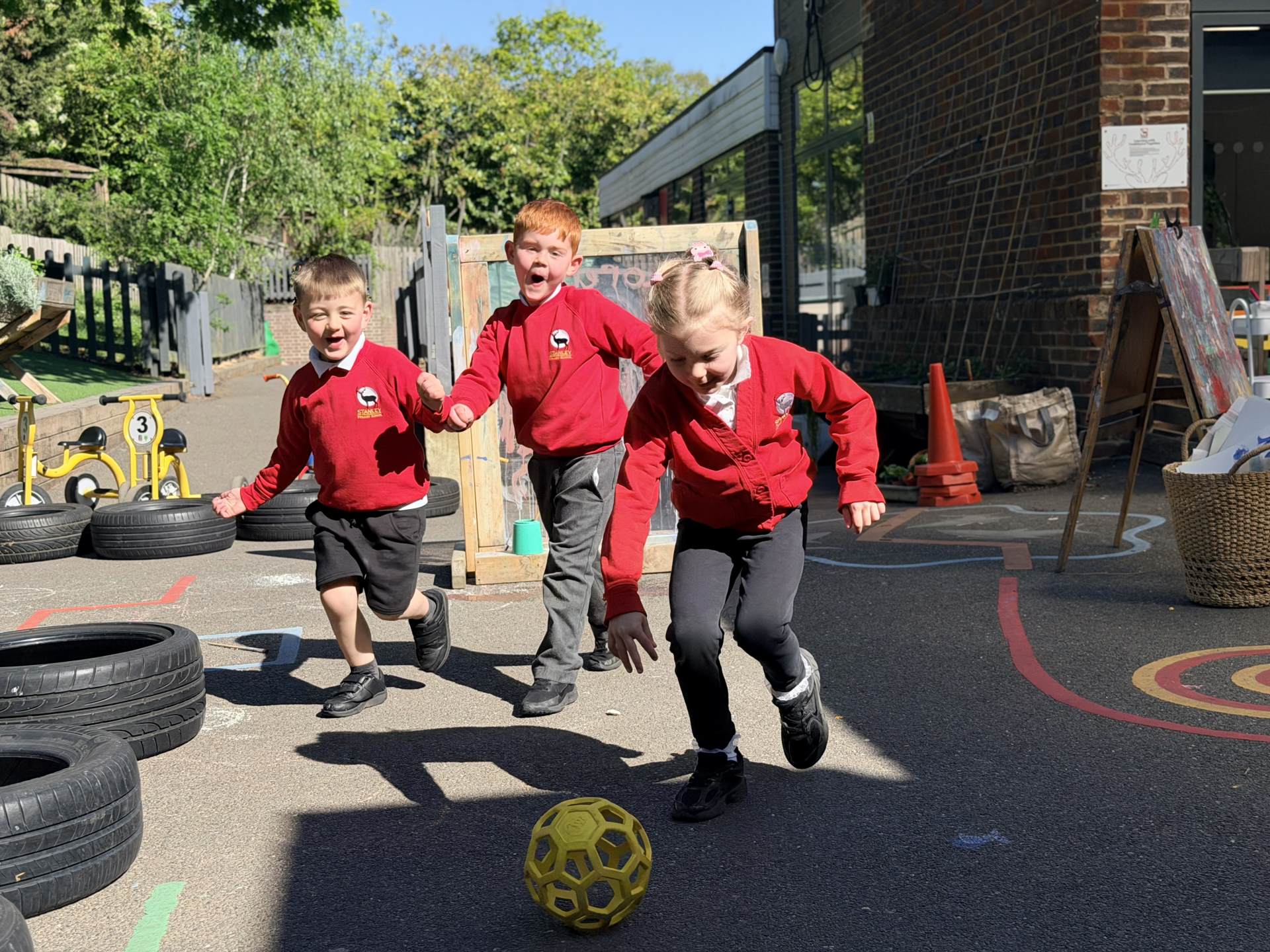
Physical Development in Reception
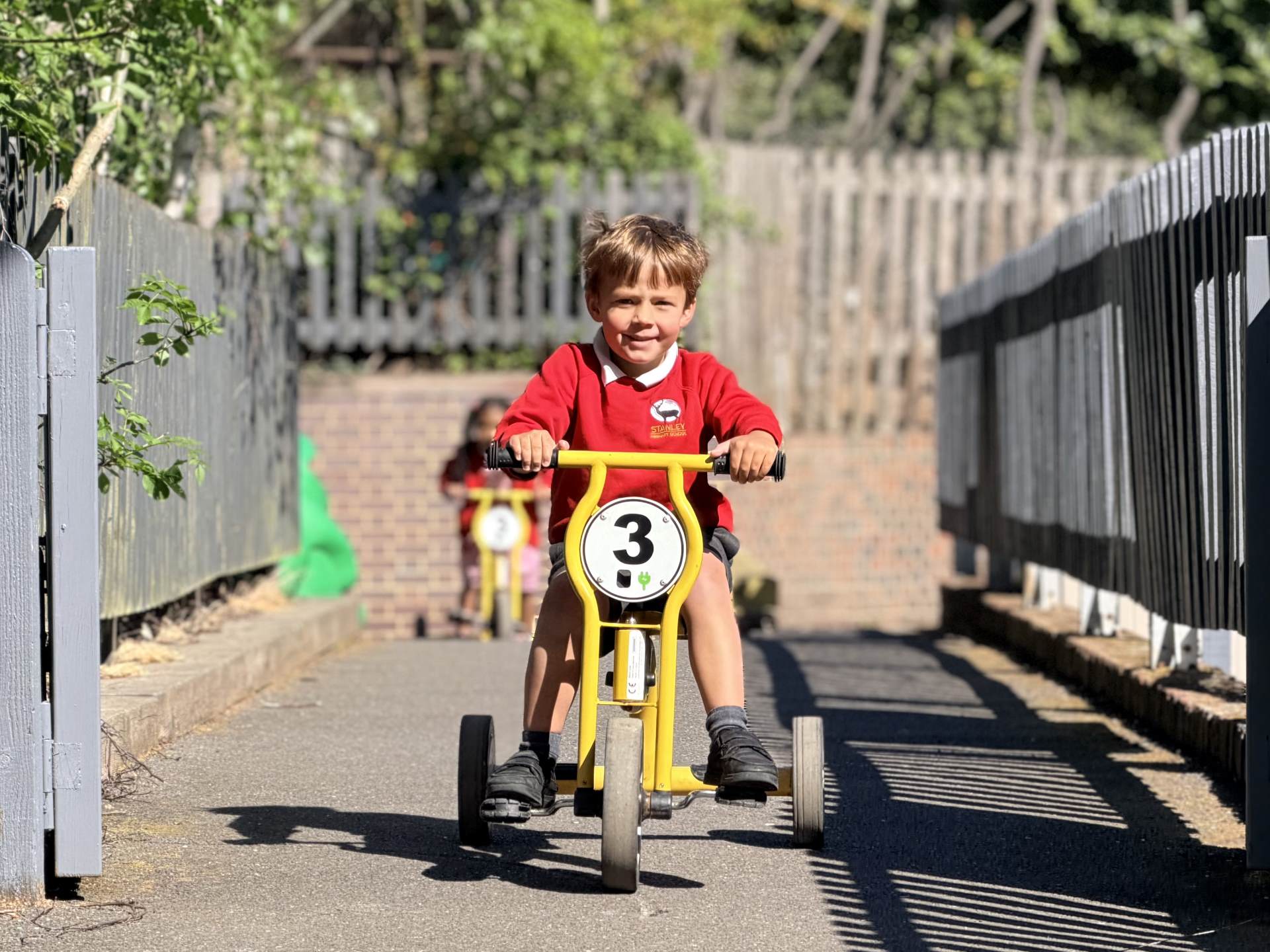
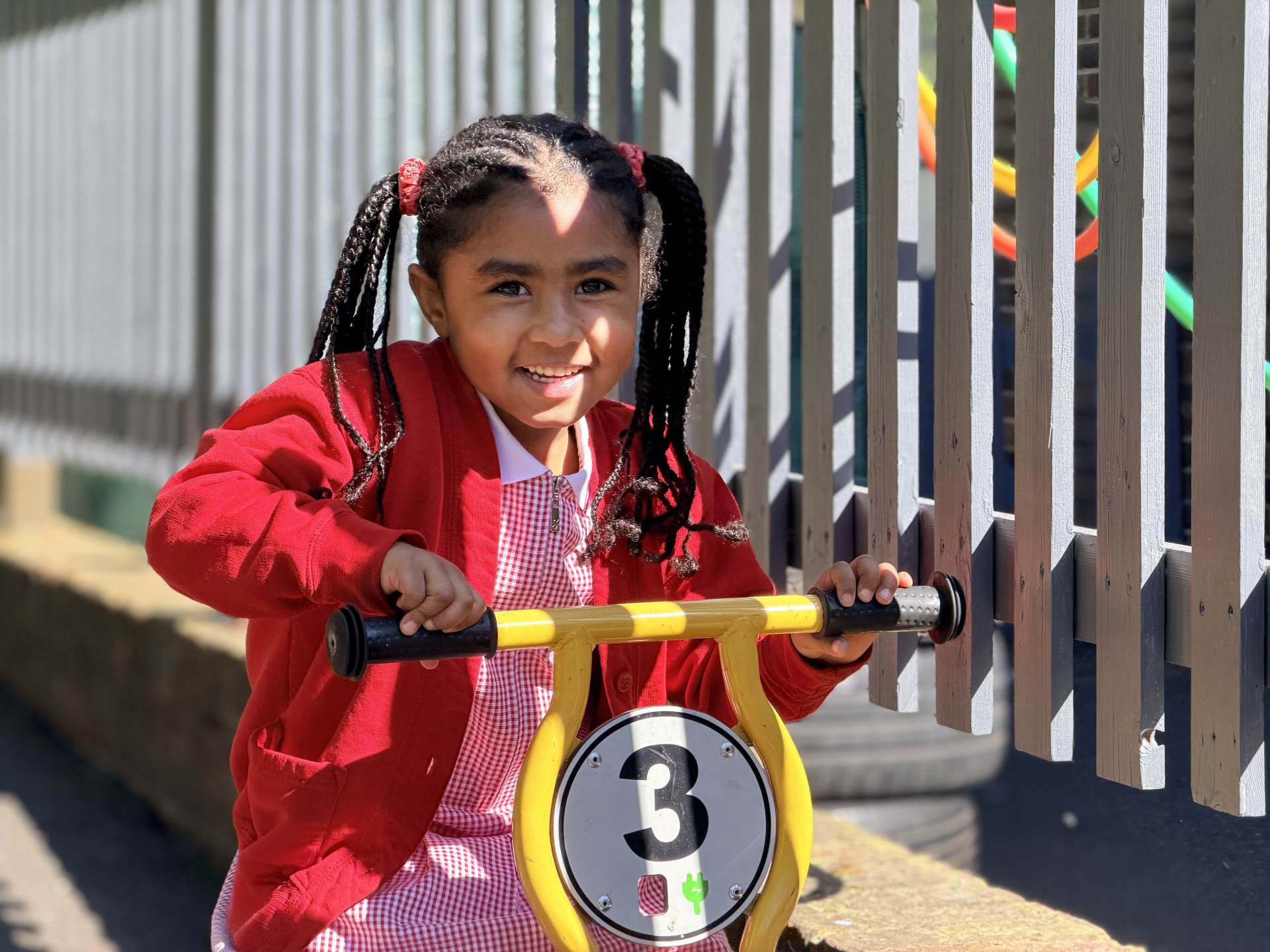
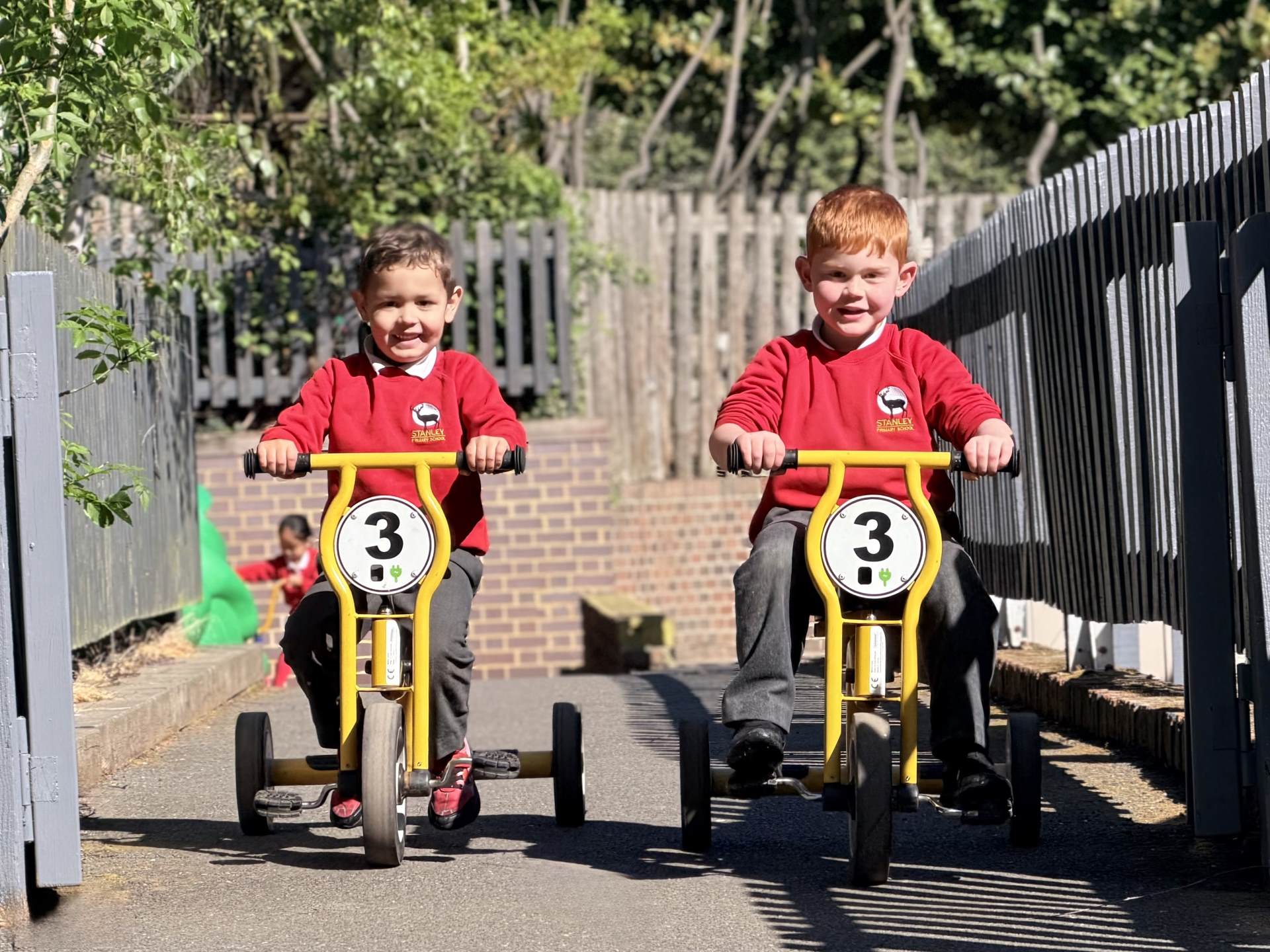
- Large wooden block play
- Tyre play
- Digging & Gardening
- Wheelbarrow activities
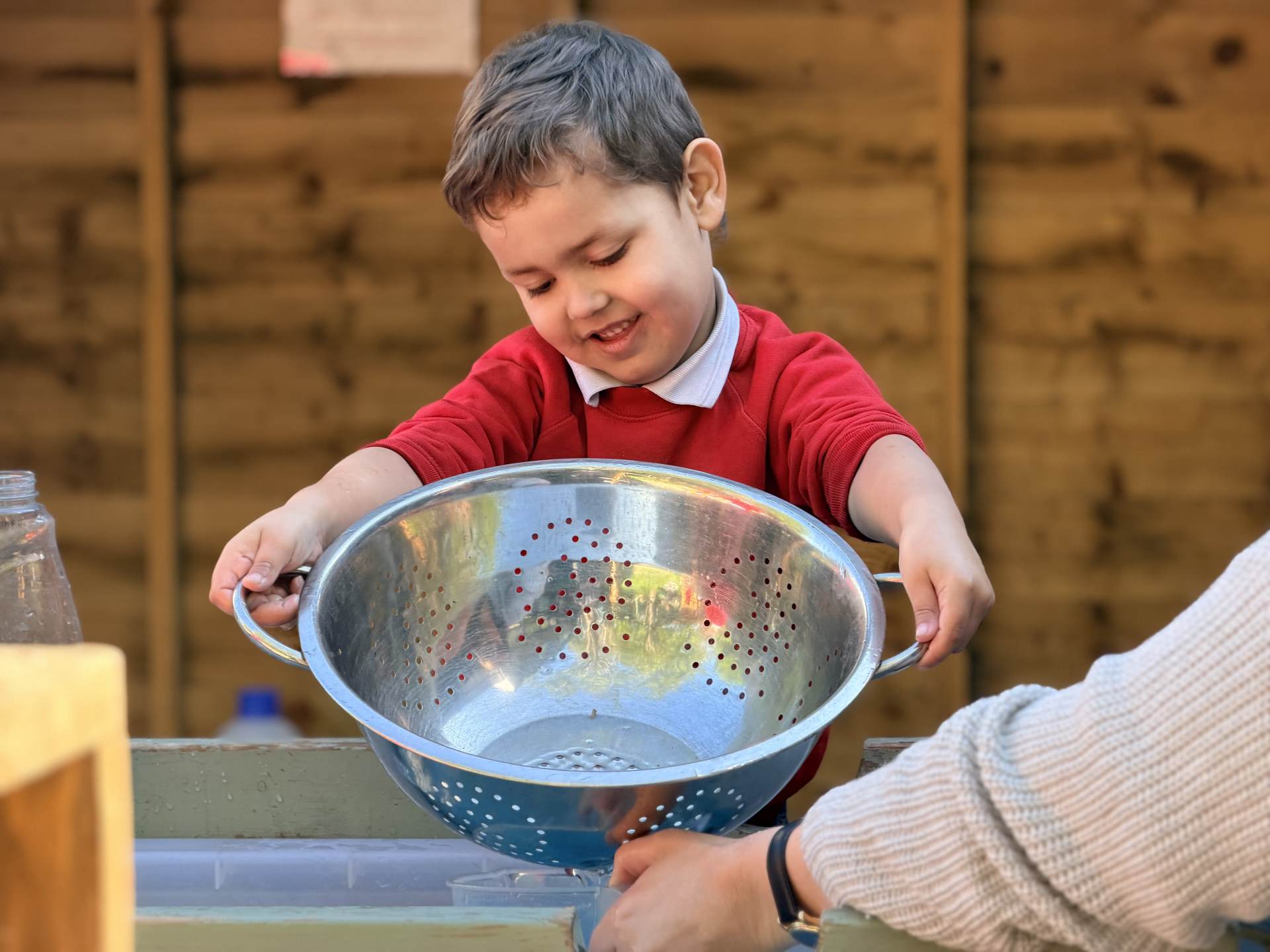
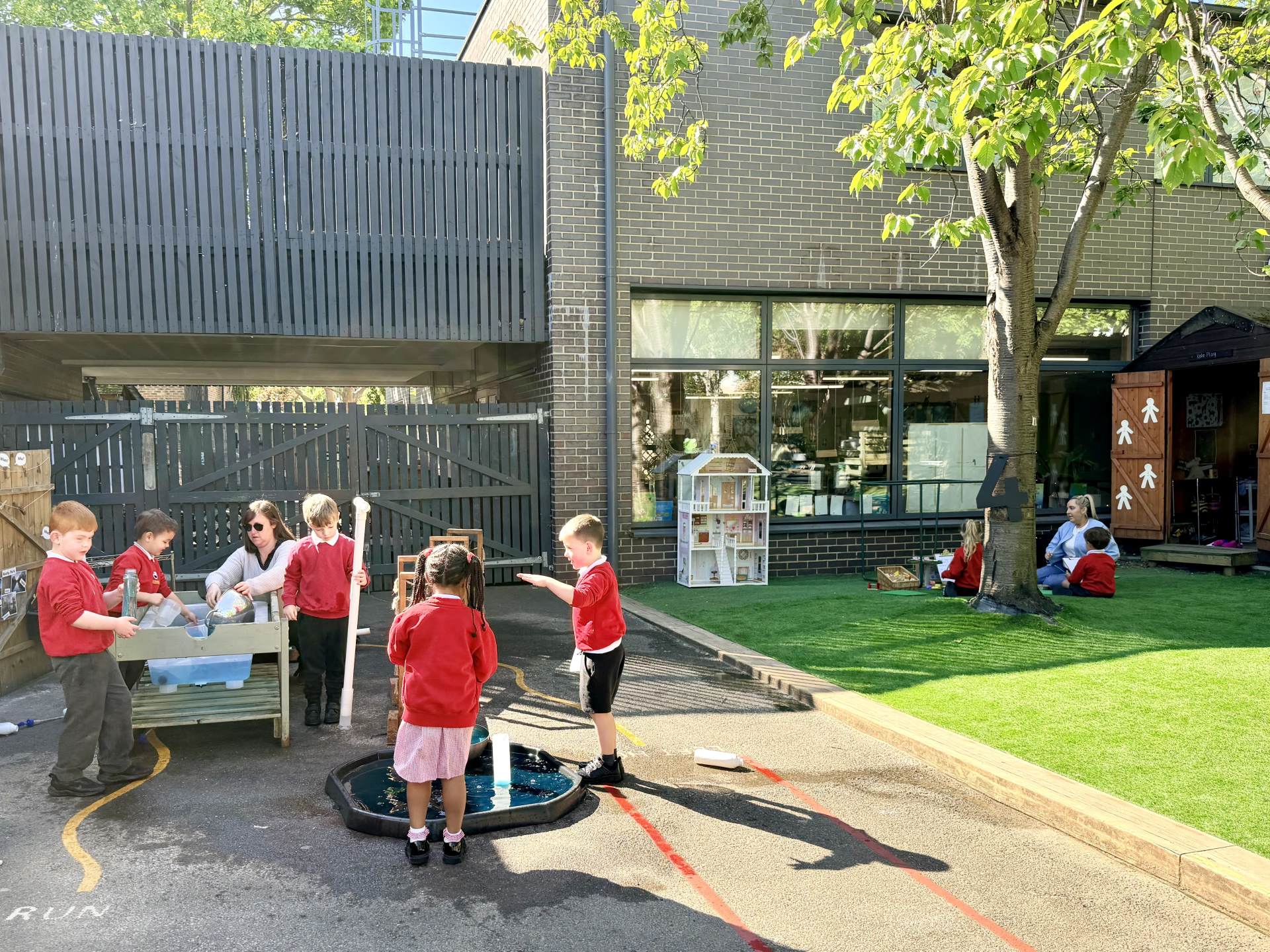
- Water play & Transporting resources
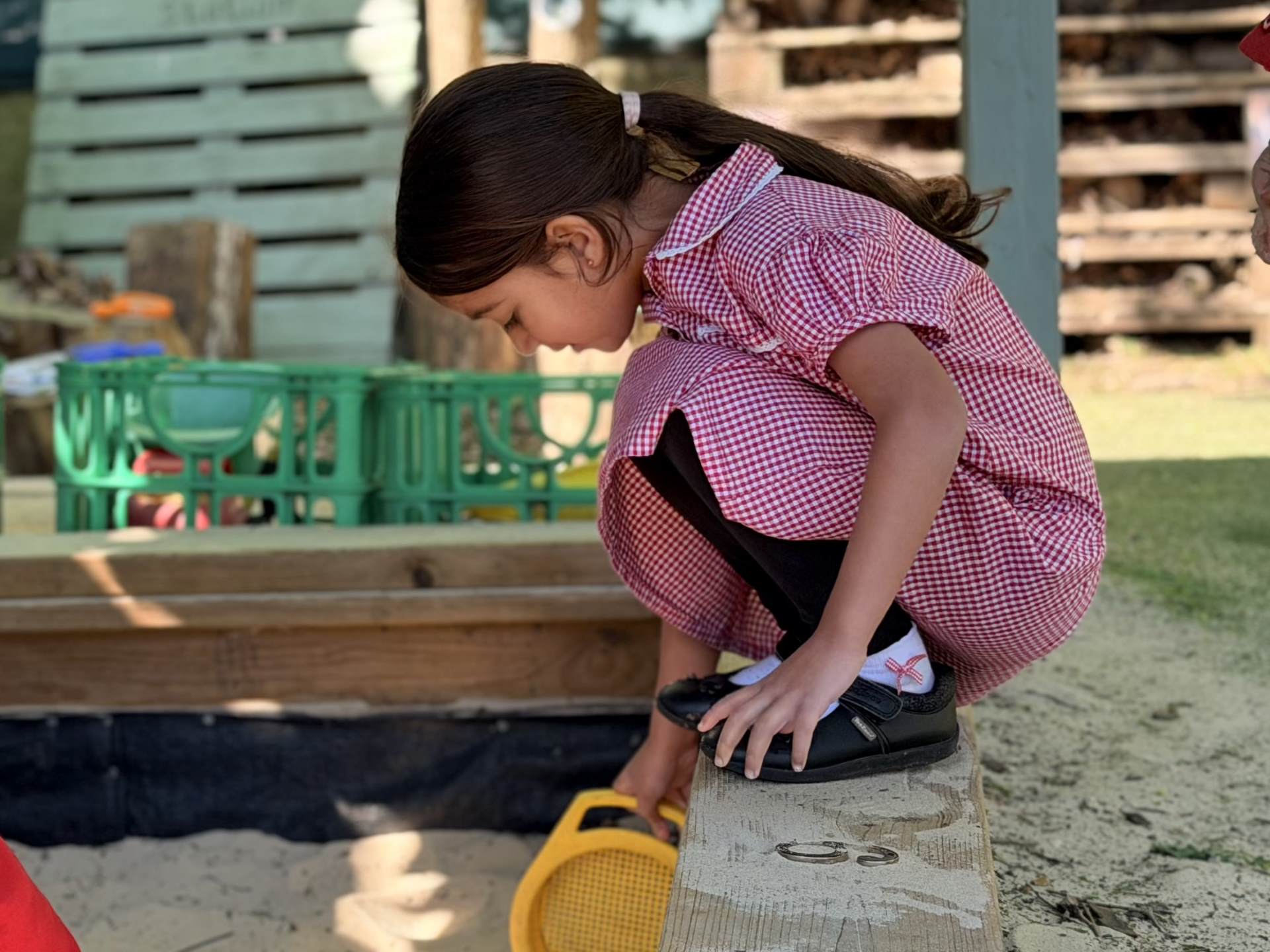
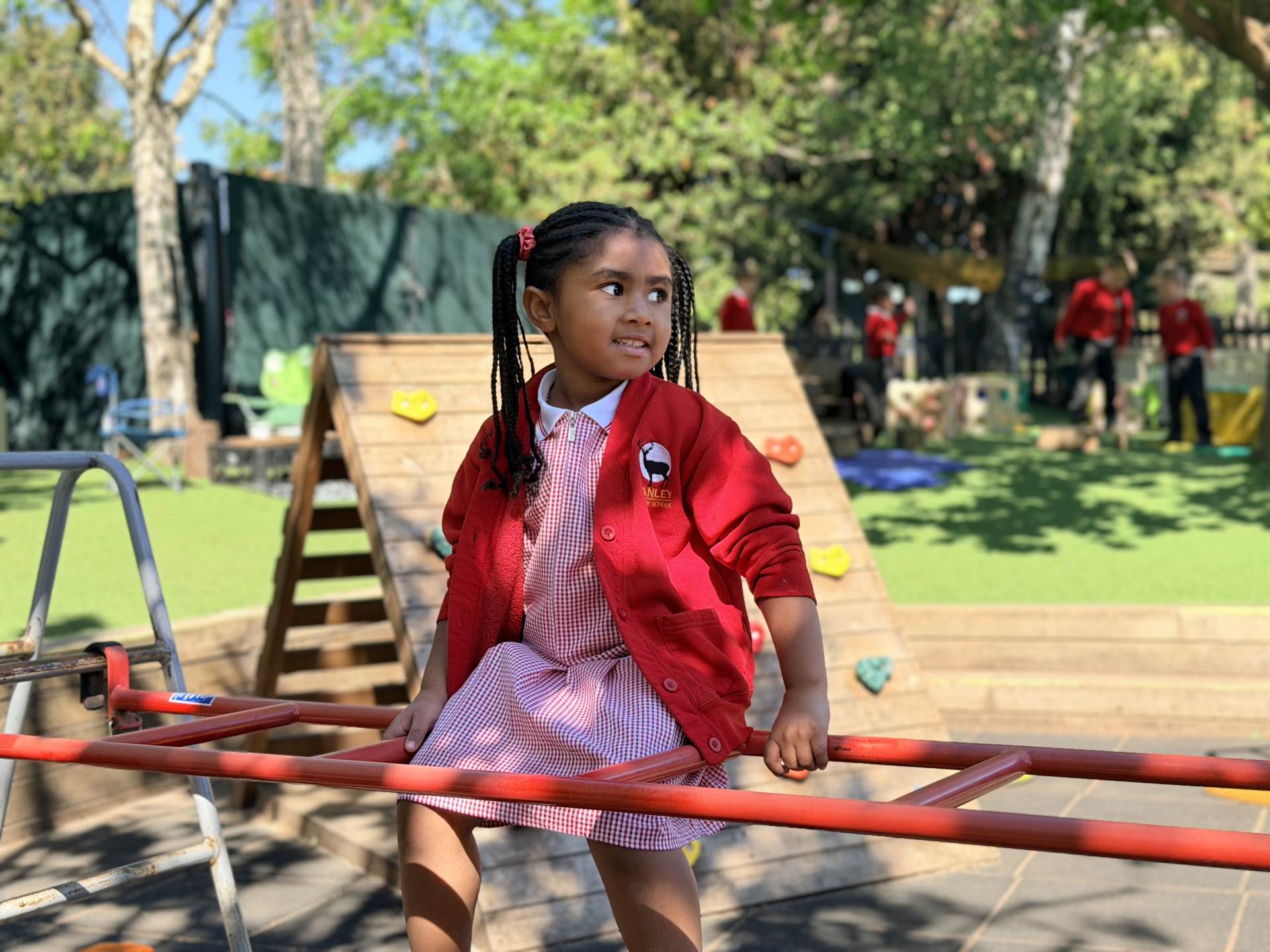
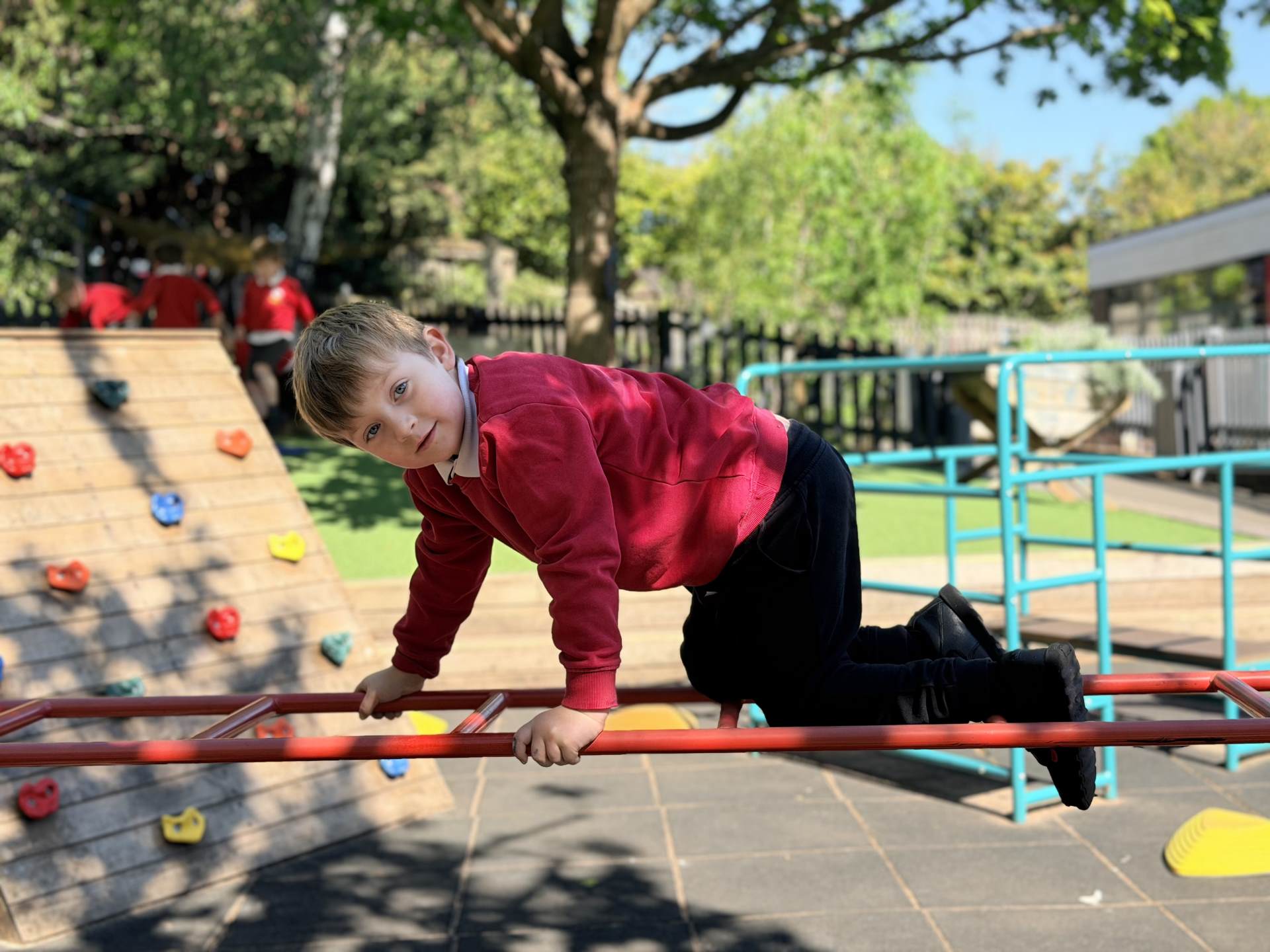
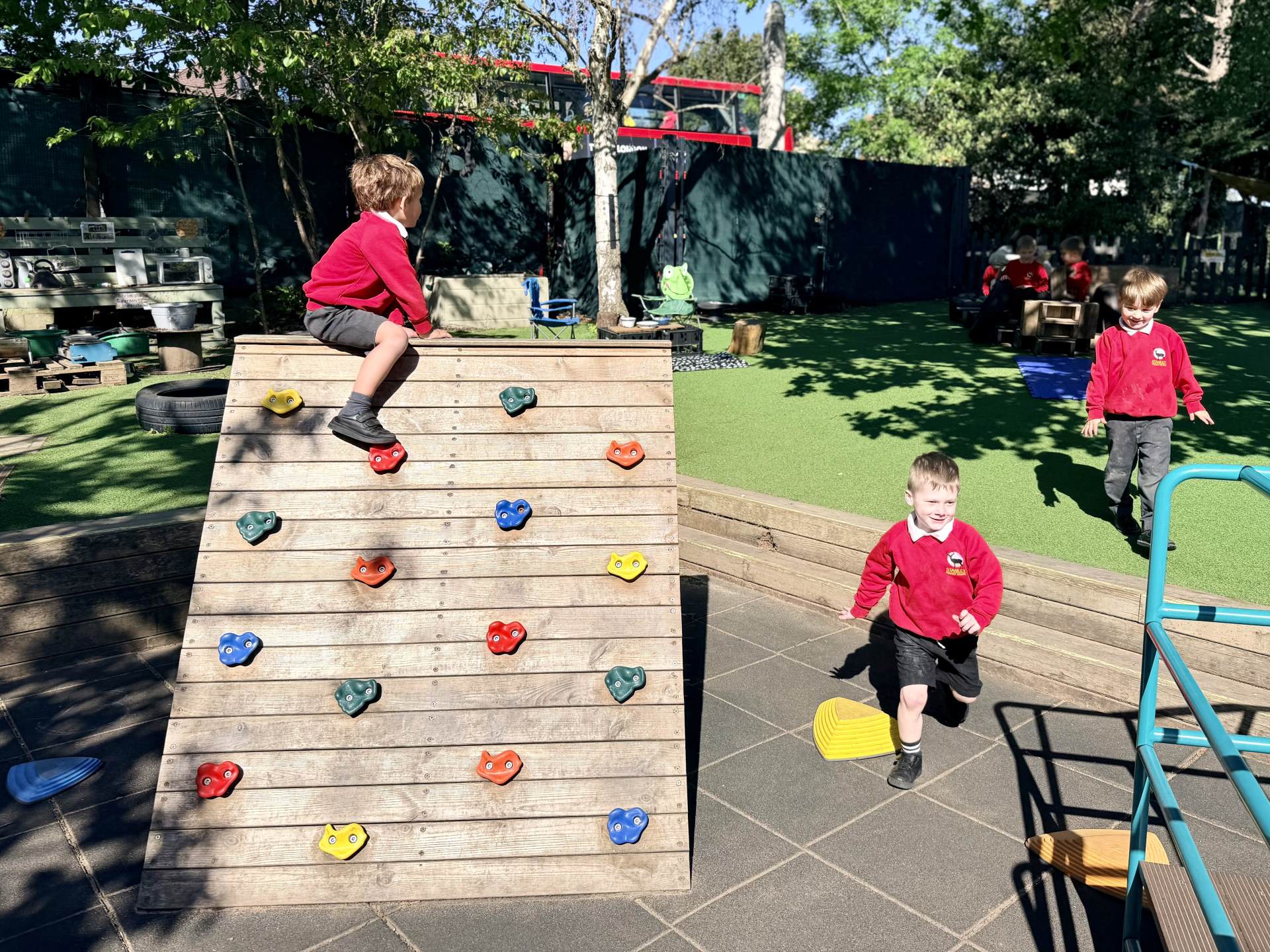
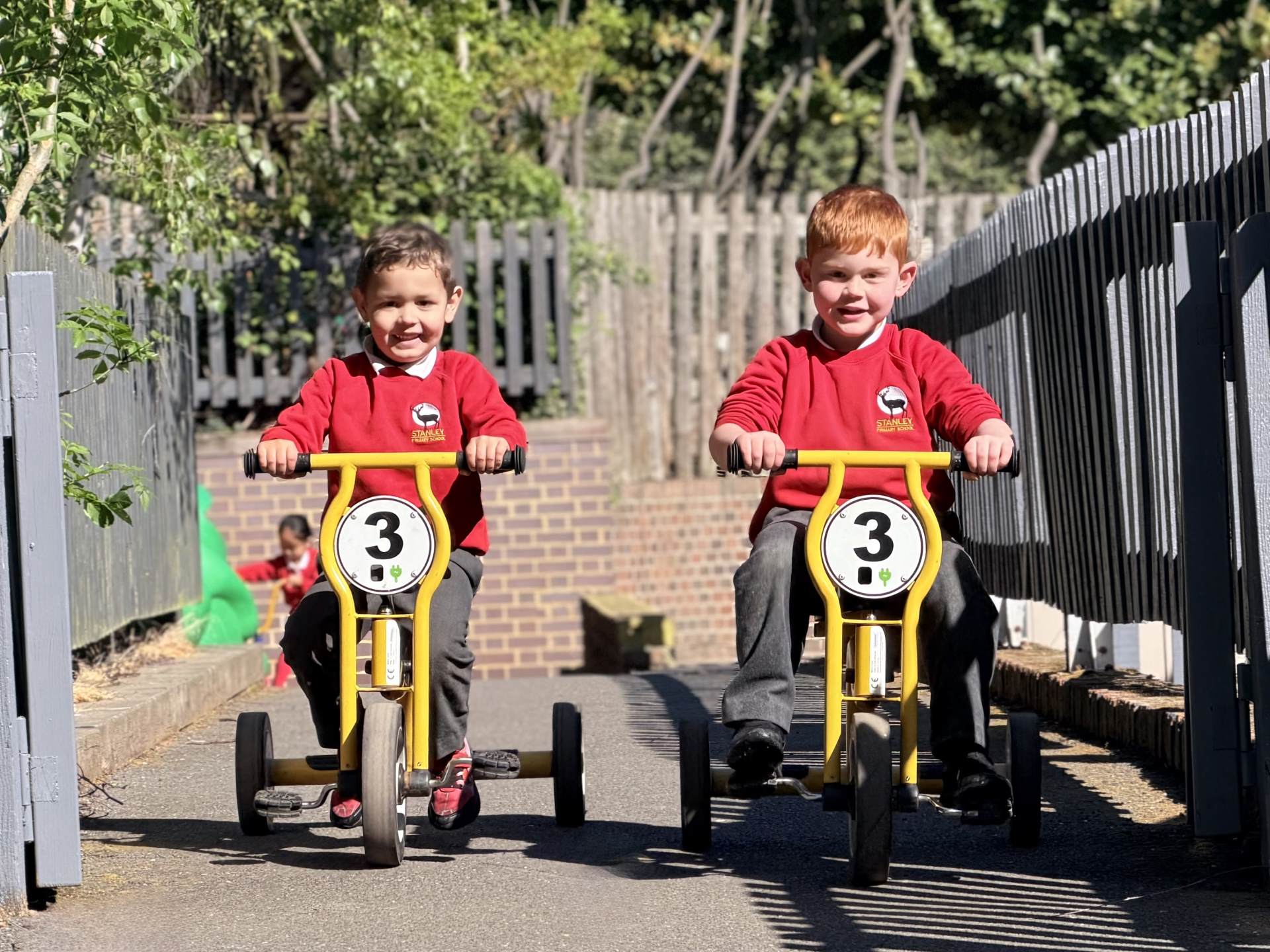
- Climbing, balancing & obstacle activities
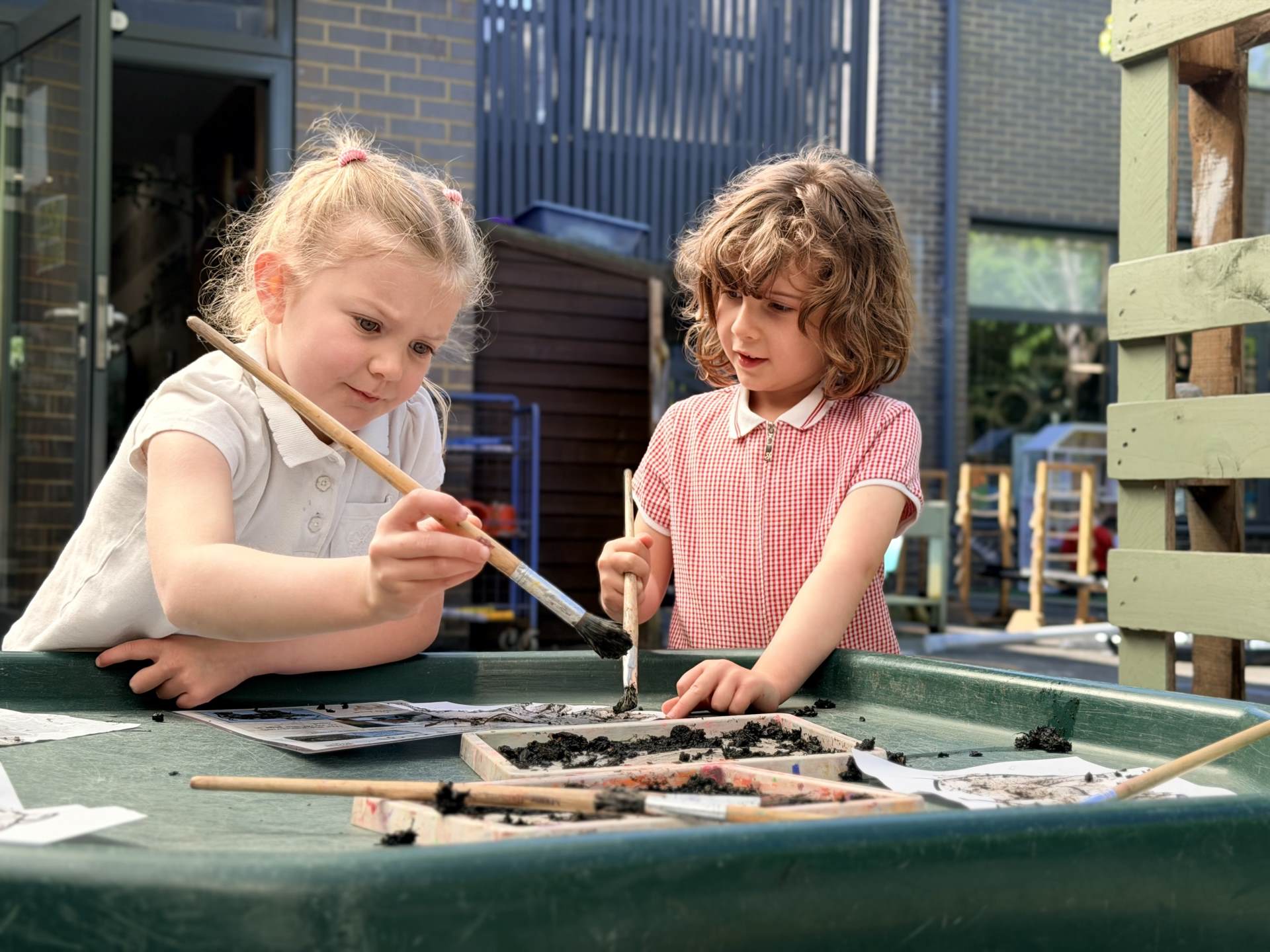
Children also take part in weekly nature school sessions, where they develop a range of physical and fine motor skills through hands on experiences such as creating nature wands, building dens and exploring natural materials.
From Spring 1, children begin weekly PE sessions where they develop key skills including:
- Balance and co-ordination
- Spatial Awareness
- Throwing & catching
- Jumping and landing safely
- Teamwork and movement control
We also promote the importance of a healthy lifestyle through discussions, snack times and daily routines. Children learn about healthy eating, keeping active and making positive choices to support their wellbeing and independence. Through active learning and exploration, children develop resilience, confidence and a positive attitude towards physical activity and healthy living.
Personal, Social and Emotional Development (PSED)
- Daily opportunities to develop social and emotional skills
- Circle times and discussions to explore feelings and friendships
- Supporting children to share, take turns and work collaboratively
- Teaching kindness, empathy and respect for others
- Using Zones of Regulation language consistently across school
- Emotion coaching and personalised support strategies
- Encouraging independence, resilience and confidence
Through a nurturing environment and strong relationships, children develop the confidence, self-awareness and emotional skills they need to flourish both in and beyond school.
Toothbrushing Guide
The Children's Toothbrushing Guide
Reception Newsletters
a